

Thursday, February 4, 2021

Six films will be presented along with accompanying presentations
Posted By on Thu, Feb 4, 2021 at 4:55 PM

click to enlarge Savannah's Jewish Film Festival to carry on in 2021 with virtual format
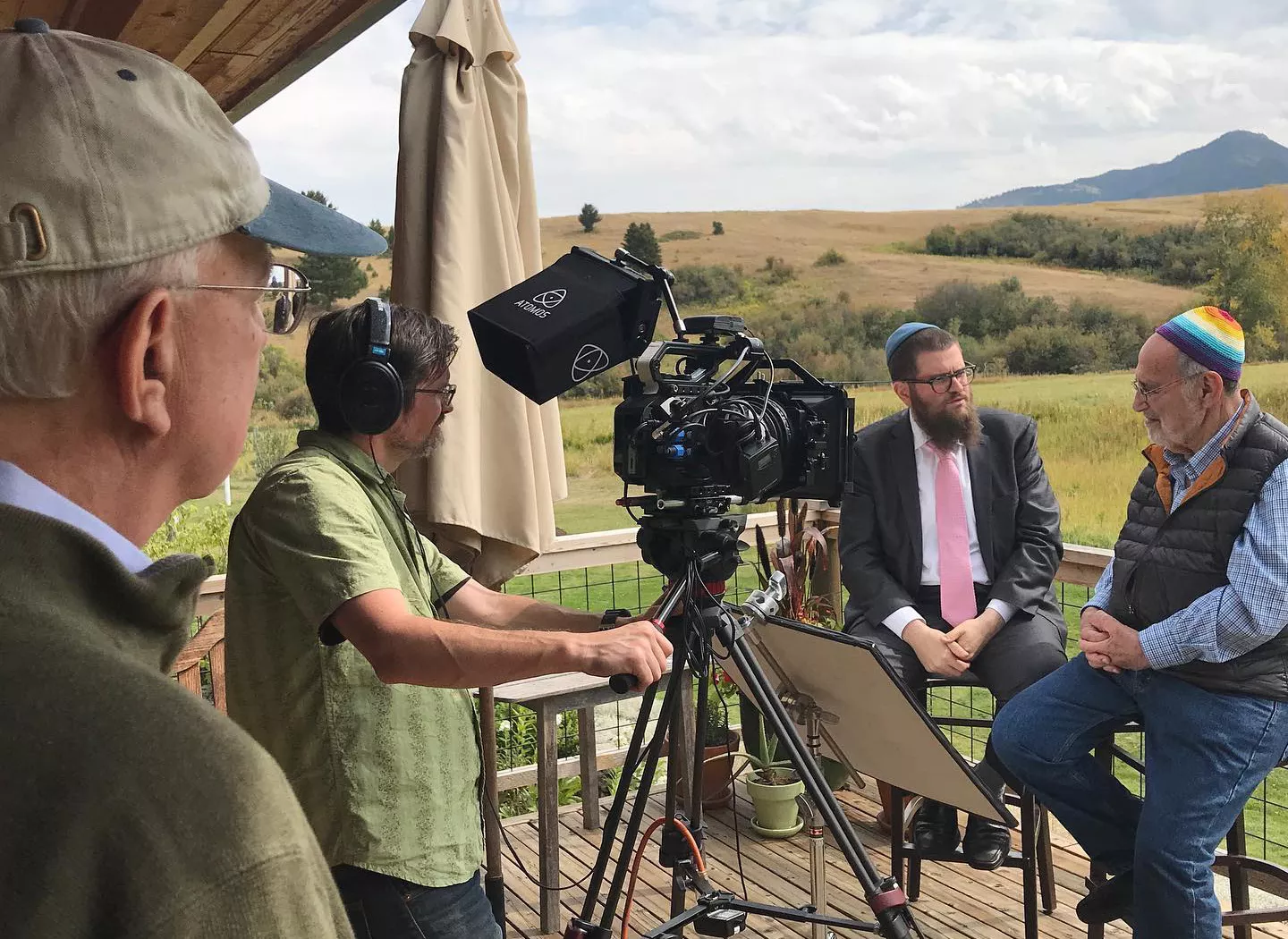
Courtesy of "The Rabbi Goes West"
A scene from the filming of "The Rabbi Goes West," a documentary featured in the 2021 Savannah Jewish Film Festival.
The Joan and Murray Gefen Savannah Jewish Film Festival will be held again in 2021 with a virtual format during Feb. 28-March 11, according to organizers.

Since its foundation in 2003, the Savannah Jewish Film Festival has screened many international and independent films that otherwise would never have been shown in the Hostess City, according to the organizers' Feb. 4 announcement. From comedies to poignant dramas and documentaries, each film promotes and celebrates the diverse Jewish history, culture and experience.

With a collaboration with the Charleston Jewish Film Festival, organizers are able to bring the Savannah Jewish Community six acclaimed Jewish films and six programs to go along with those films.

This year’s films will be available to screen at viewers' homes for 72 hours before its related program. Programs include the directors or actors from the films or distinguished scholars to speak on the topic of the film.

The festival will open Feb. 28 at 7 p.m., with highlights including the opening night film, “Kiss Me Kosher.” This is a subversive love story between clashing cultures and families, about two generations of Israeli women falling for a German woman and a Palestinian man.

Another highlight includes an afternoon opportunity to view four student shorts produced by incredibly talented students from the Sam Spiegel Film School in Jerusalem. A panel discussion features the Israeli students that created the films.

Durng Food for Thought on Mar. 4, viewers can watch “Commandment 613,” a film about Rabbi Kevin Hale, who joyfully practices the sacred craft of Torah restoration, bringing new life to scrolls saved during the Holocaust. Rabbi Hale, who was the associate sofer for Savannah's Congregation Agudath Achim when they had their Czech scroll restored.

Other films on the program include the documentaries "Shared Legacies" - about the friendship and coalition between Jewish and African-American communities during the 1960s civil rights movement - and "The Rabbi Goes West," about a rabbi who moves from Brooklyn to Bozeman, Montana to bring traditional Judaism to the American West.

Organizers encourage viewers to become a “Friend of the Festival” to help support the Savannah Jewish Film Festival and other cultural programs. Visit savj.org/film-festival for more program details and festival information.

Tags: ,

World-traveling artist was kidnapped on River Street as a child

Posted By on Thu, Feb 4, 2021 at 10:39 AM

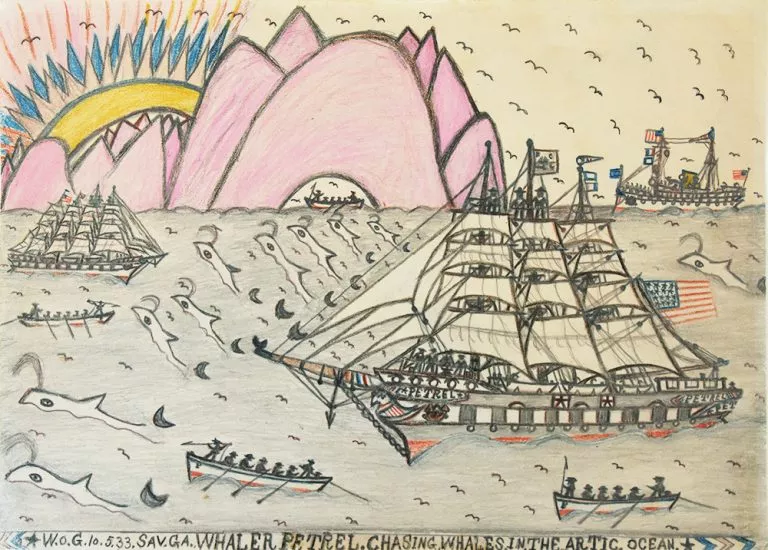
click to enlarge Telfair receives grant for exhibition of Savannah folk artist William O. Golding
Courtesy of Telfair Museums
A picture by folk artist William O. Golding acquired by the Telfair Museums in 2020.
Telfair Museums has been awarded a prestigious National Endowment for the Arts grant for an original exhibition of works by folk artist William O. Golding.

The son of an African American lawmaker from Liberty County, Georgia, Golding (1874-1943) was kidnapped on River Street as an 8-year-old boy and spent most of his life at sea. In early 2022, Telfair will present Hard Knocks, Hardships, and Lots of Experience: The Maritime Art of William O. Golding, the largest-ever exhibition of his works.

Telfair’s exhibition is among 1,073 projects across the country that were selected for funding in the NEA’s arts projects category this year. The museum’s $15,000 award was announced on Feb. 4.

“The National Endowment for the Arts is proud to support this project from Telfair Museums,” said Ann Eilers, Arts Endowment acting chairman. “Telfair is among the arts organizations across the country that have demonstrated creativity, excellence, and resilience during this very challenging year.”

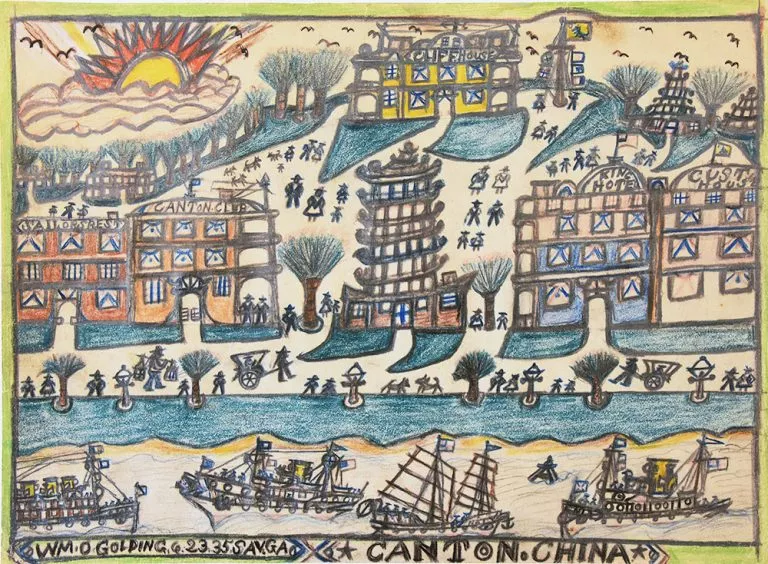
click to enlarge Telfair receives grant for exhibition of Savannah folk artist William O. Golding
Courtesy of Telfair Museums
A picture by folk artist William O. Golding acquired by the Telfair Museums in 2020.
Last year, Telfair acquired 17 of Golding’s drawings, bringing the museum’s holdings to 21 of the about 100 drawings he is thought to have produced, and giving the museum one of the two largest collections of his work in the world.

“This NEA grant underlines the national significance of the Golding acquisition and the exhibition in development,” said Ben Simons, Telfair’s executive director/CEO.

Golding created the maritime drawings in his signature pencil-and-crayon style from 1932 through 1939, during his time as a patient at the U.S. Marine Hospital in Savannah. Others are in the collections of the Smithsonian American Art Museum, the American Folk Art Museum in New York, and the Morris Museum of Art in Augusta.

“His drawings tell a story of maritime history as seen by a black seaman who left Georgia not long after Reconstruction, spent decades laboring at sea, and made his art at a time when self-taught art was emerging in American culture,” said Harry DeLorme, who is curating Telfair’s exhibition.

After being kidnapped in 1882 to serve as a cabin boy on a Canadian vessel, Golding spent decades circling the globe on a variety of sailing and steam ships, from a whaler to a Man-O-War. In the 1930s, after almost 50 years of seagoing, Golding was a patient in Savannah, receiving treatment for chronic bronchitis. Margaret Stiles, the U.S. Marine Hospital’s recreation director and a member of the Savannah Art Club, encouraged Golding, who drew from memory fantastical, detailed scenes of ports he claimed to have visited during his journeys across the globe.

Tags: , ,

Wednesday, February 3, 2021

New ‘Savannability’ task force aims to make city more inclusive for everyone

Posted By on Wed, Feb 3, 2021 at 4:49 PM

click to enlarge Savannah mayor launches initiative aiming to address accessibility issues
Brandy Simpkins/Connect Savannah
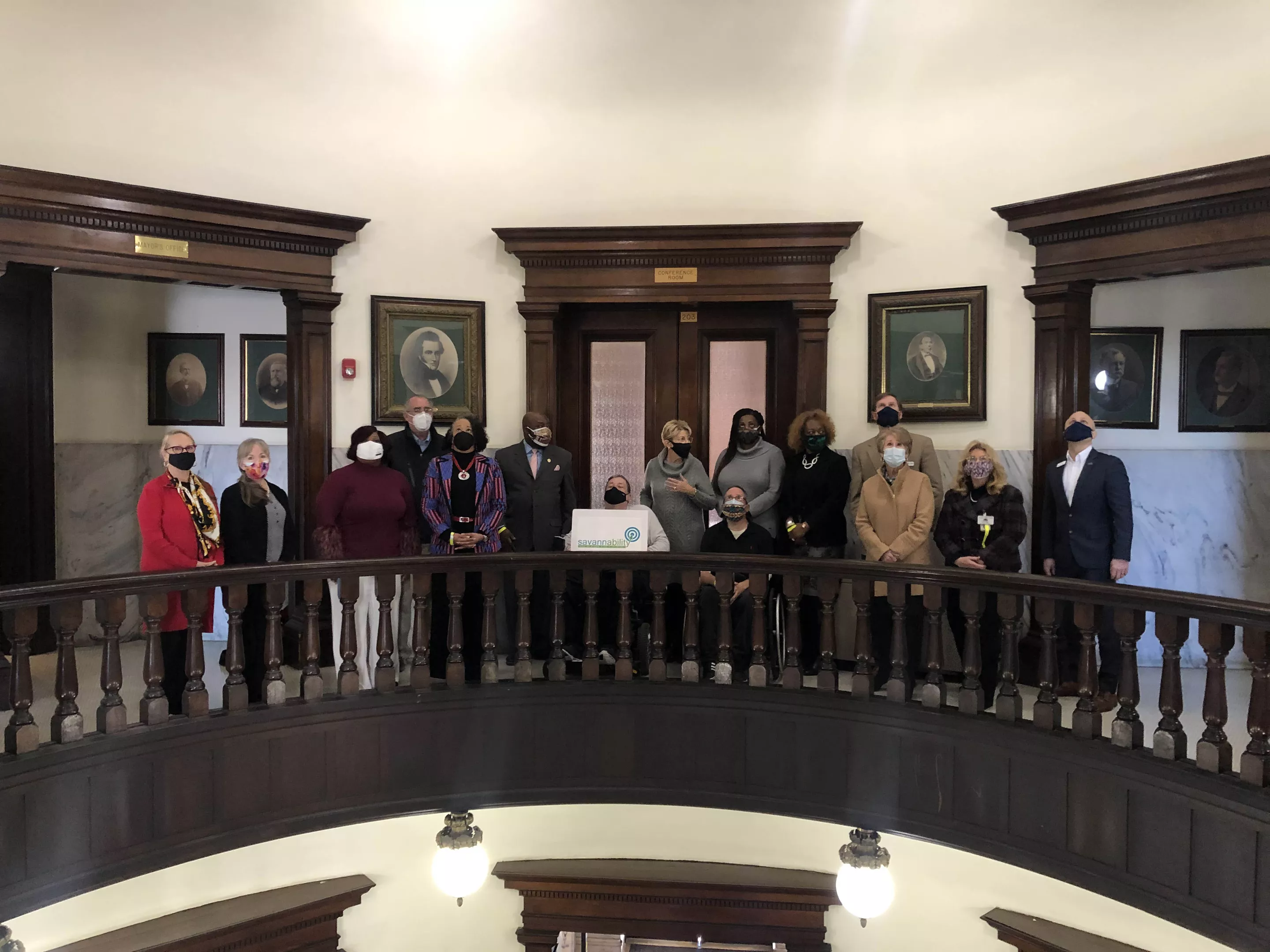
Members of the newly launched Savannability Task Force on Feb. 3 at Savannah City Hall.
As Savannah leaders strive to make the city more inclusive and accessible for everyone, Mayor Van Johnson announced the formation of the “Savannability Task Force” during a Feb. 3 press conference.

The Savannability Task Force was introduced at City Hall on Wednesday morning by the mayor while accompanied by its members, including task force Chair Patti Lyons, who also serves as the president of Senior Citizens, Inc. The task force will examine accessibility issues faced by differently abled people and offer suggestions to improve infrastructure that would erase barriers.

“We want Savannah to be welcoming, navigable, and inclusive for everyone who lives in or visits our city, so our community can benefit from their unique abilities whether they are visually, audibly, physically, or developmentally challenged, or if they are simply aging,” Johnson stated.

The task force is composed of people living with accessibility issues, as well as city and county partners, including members of Chatham Area Transit, the Metropolitan Planning Commission, and Step Up Savannah.

“I know I speak for this entire group when I say what an honor it is to be asked to give our thoughts on how we can make our beautiful city more accessible to everyone, whether they are a citizen, whether they come here to work, or whether they’re coming here to visit and see why we all live here,” said Lyons.

Lyons added that the task force has been in the organizing stage up to this point, and to make their efforts faster and more efficient, they have broken up into subcommittees including education, transportation, and employment committees.

The committees will begin their work by looking at efforts already in place, including individuals creating maps for wheelchair-accessible travel, and disseminating information about hotels and historic house museums that are accessible, according to Lyons.

“This additional seat at Savannah’s table moves us closer to being the Beloved Community,” said Johnson.

Tags: ,

USS Constitution sailed into Savannah 90 years ago

Posted By on Wed, Feb 3, 2021 at 2:52 PM

click to enlarge Savannah native serves aboard historic warship
Courtesy of the USS Constitution Museum
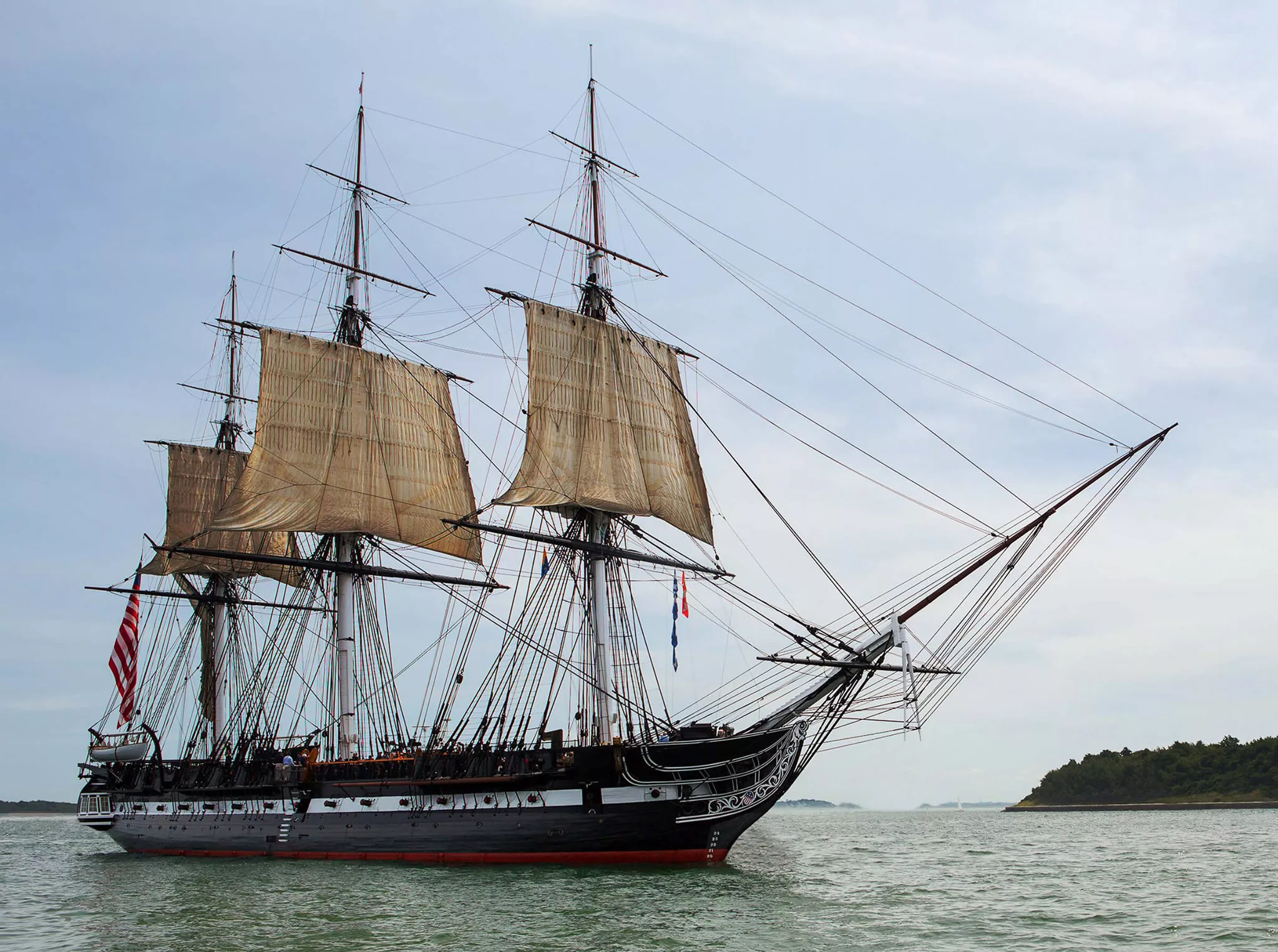
The USS Constitution.
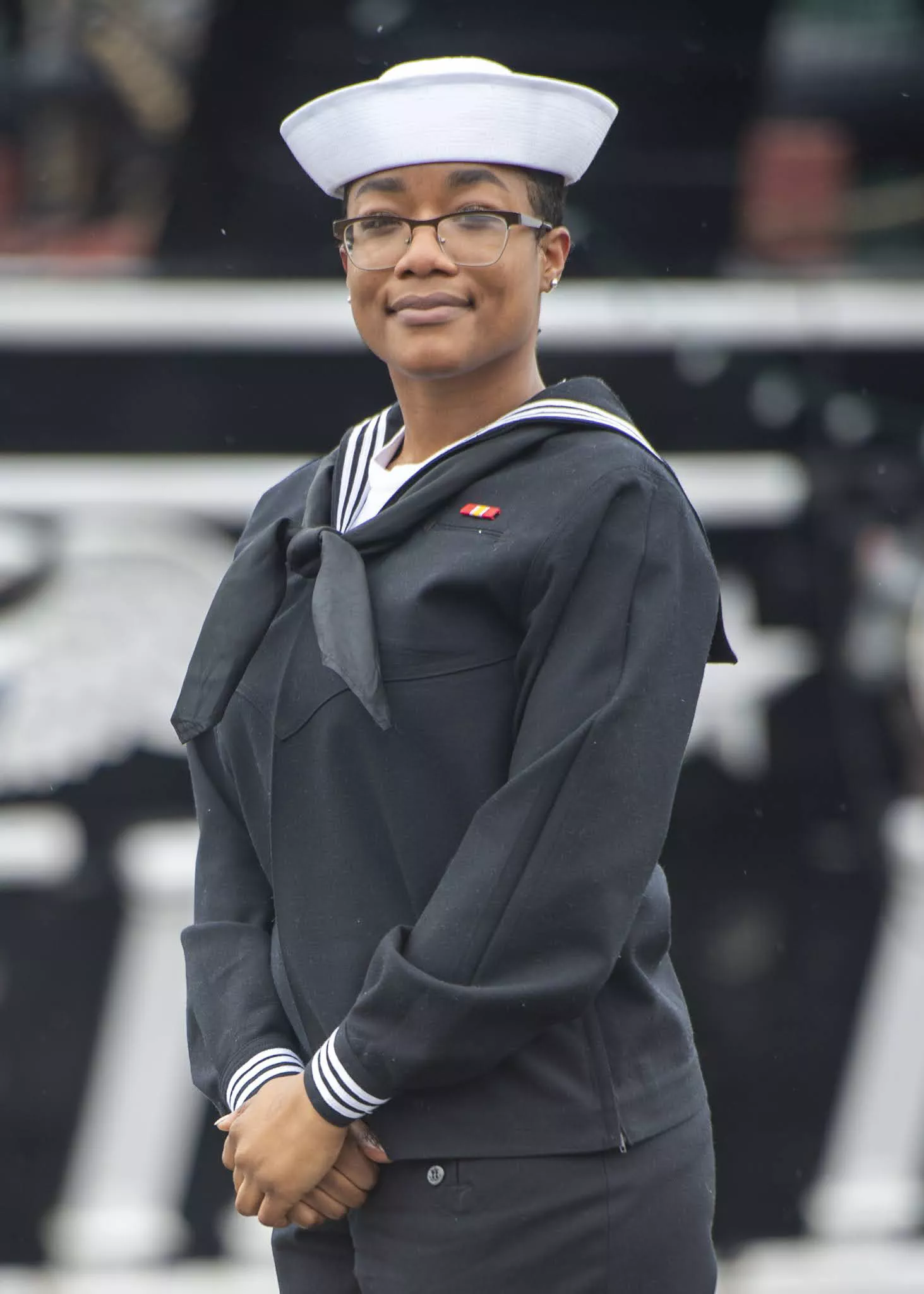
A Savannah native, U.S. Navy Airman Tasheyana Harden, is now serving aboard the USS Constitution − the world’s oldest commissioned warship afloat − with the crew of active-duty sailors who provide free tours and offer public visitation aboard the two-century-old sailing vessel.

Now based at Boston’s Charlestown Navy Yard, the USS Constitution was authorized for construction by President George Washington in 1794, and was successfully launched on its third attempt in 1797. While the USS Constitution and its related museum are currently closed to visitors as a COVID-19 precaution, duty aboard the historic ship is one of the Navy’s special programs, and all prospective crew members must meet a high standard of sustained excellence and interview to be selected for the assignment.

click to enlarge Savannah native serves aboard historic warship
Courtesy of USS Constitution Public Affairs
U.S. Navy Airman Tasheyana Harden, a Savannah native now serving aboard the USS Constitution.
Since early January, Harden has been serving aboard the USS Constitution as her first duty station in her three months with the Navy. While Harden is originally from Savannah, she is a 2017 graduate of Luella High School in Locust Grove, Georgia.

“The only way to make sense out of change is to plunge into it, move with it, and join the dance,” Harden said of her new assignment.

Before the pandemic, more than 600,000 people were visiting the USS Constitution every year. The crew members support the ship’s mission by promoting the Navy’s history and maritime heritage, and raising awareness of the importance of a sustained naval presence.

The ship earned the nickname “Old Ironsides,” during the War of 1812 after British cannonballs were seen bouncing off the ship’s wooden hull. The USS Constitution actively defended sea lanes between 1797 to 1855, including deployment in the Mediterranean during the Barbary Wars and serving as the Pacific Squadron flagship during 1839-1841. The USS Constitution was undefeated in battle, and captured or destroyed 33 enemy vessels.

After years as serving as a training ship and receiving a significant restoration in Boston, the USS Constitution embarked on a National Cruise during 1931-1934, which included a stop in Savannah on Dec. 7, 1931. The cruise was a three-coast tour around the United States, with Savannah being one of 76 cities visited along the Atlantic, Gulf, and Pacific coasts.

The National Cruise served as a show of gratitude to the men, women, and children who, from 1925 to 1930, made monetary and material donations to support the ship’s restoration. Schoolchildren across the country contributed pennies, nickels, and dimes toward a fund that eventually raised $154,000 for “Old Ironsides,” according to the USS Constitution Museum.

More recently, the ship was designated America’s Ship of State on Oct. 28, 2009, by President Barack Obama.

Seaman Katrina Mastrolia, USS Constitution Public Affairs, contributed to this article.

Tags: , ,

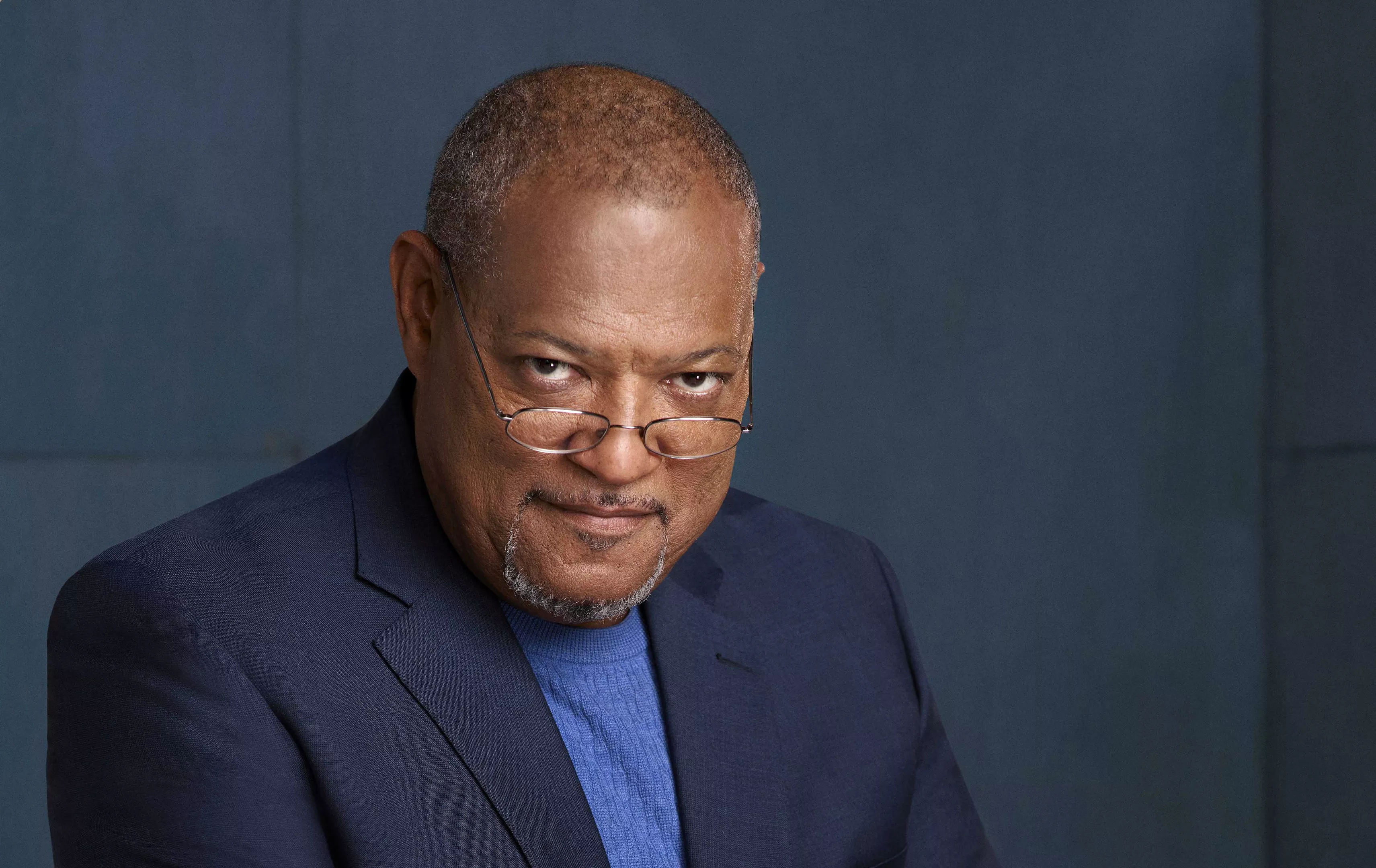
Laurence Fishburne to receive the SCAD Lifetime Achievement Award

Posted By on Wed, Feb 3, 2021 at 10:23 AM

click to enlarge SCAD’s annual aTVfest brings big stars to a small screen near you
Courtesy of SCAD
Laurence Fishburne
During February’s first weekend, television fans all over the world can bring their favorite stars right into their living rooms thanks to the Savannah College of Art and Design.

The ninth-annual SCAD aTVfest celebrates all things television and streaming during Feb. 4-6 this year. Due to the ongoing COVID-19 pandemic, the event will be held virtually, but organizers say this will make it better than ever.

Andra Reeve-Rabb is the dean of SCAD’s School of Entertainment Arts, and says the college “hasn’t missed a beat” in adjusting to the remote-access world we’re living in. In fact, she says the virtual format will actually allow SCAD aTVfest to reach a broader audience than any previous year.

“There are no limits of who can come and who can see,” Reeve-Rabb said. “There are no boundaries really.”

click to enlarge SCAD’s annual aTVfest brings big stars to a small screen near you
Courtesy of SCAD
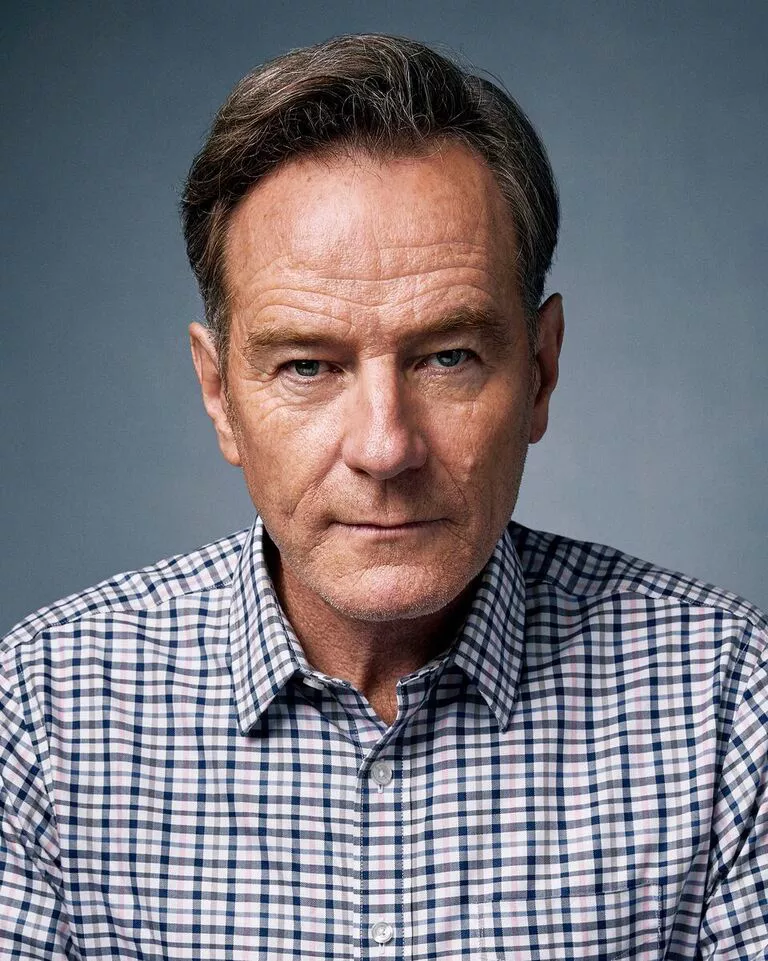
Bryan Cranston
The event typically gives attendees exclusive access to screenings and panels with television stars, directors, costume designers, producers, and more. Reeve-Rabb says that even though attendees won’t be in the same room with the stars and industry professionals this year, the event will still feel exclusive and now have an intimate, personal feel to it as well.

Reeve-Rabb adds that the stars will give attendees a look into their personal spaces, their homes, and their offices rather than a red carpet or a stage.

“It’s not like the stars are off doing something else,” she said. “They’re right at home like we are.”

For SCAD students, the aTVfest doesn’t just bring the stars of their favorite Netflix shows to town, it also brings tremendous opportunities. Reeve-Rabb says the festival is “a bridge” for students to the entertainment industry. Each year, she says, industry professionals interact with SCAD students and end up hiring some of them down the road.

Reeve-Rabb says her favorite part of aTVfest every year is the alumni panel discussion, because she gets to see SCAD graduates share their knowledge with current students.

“That’s full circle,” she said. “That’s our students who were once sitting in these seats, listening to these stars, now they’re out there doing this. It gives me chills every time.”

click to enlarge SCAD’s annual aTVfest brings big stars to a small screen near you
Courtesy of SCAD
Javicia Leslie
Celebrity panels also give students inspiration, Reeve-Rabb says. During SCAD aTVfest, students have opportunities to ask questions and get to know panelists, even virtually. She says it humanizes some of their biggest idols and helps students realize they can reach the same level of success one day.

“It’s such a cool thing that SCAD does, to bring all these industry professionals and let us actually − instead of just reading books − actually talk to people who are actually out there, making their dreams come true,” said Aleena Bashir, sophomore performing arts student.

The SCAD aTVfest truly has something for everyone, whether or not they’re involved in SCAD and the entertainment industry.

“Everybody loves television, everyone watches TV,” Reeve-Rabb said, calling television a “universal language.”

click to enlarge SCAD’s annual aTVfest brings big stars to a small screen near you
Photo courtesy of SCAD
Chrissy Metz
A major event at this year’s festival will be the presentation of the SCAD Lifetime Achievement Award to Laurence Fishburne, while Bryan Cranston will receive the Icon Award, Chrissy Metz will receive the Vanguard Award, and Lovecraft Country star Jurnee Smollett with receive the Distinguished Performance Award.

The lineup also includes a wide variety of screenings, guest interviews, and panel discussions including:

● A screening of Batwoman with actor Javicia Leslie and show runner, writer, and executive producer Caroline Dries

● A screening of Everything’s Gonna Be Okay actors Kayla Cromer, Adam Faison, and Maeve Press

● Screen Style: A panel discussion about Netflix’s Ratched and The Queen’s Gambit and the garments featured in each series

● “-Ish” Happens: A conversation with the stars of Black-ish, Grown-ish, and Mixed-ish

● Insightful talks with actor Cynthia Erivo and singer/composer Linda Perry as part of the In Conversation panel series

Visit atvfest.com to purchase SCAD aTVfest tickets and see a complete lineup of guests, screenings and panels.

Tags: , ,

Tuesday, February 2, 2021

Serving locally sourced cuisine with worldly flair

Posted By on Tue, Feb 2, 2021 at 3:33 PM

click to enlarge There is nothing common about Savannah's new Common Thread restaurant
John Park
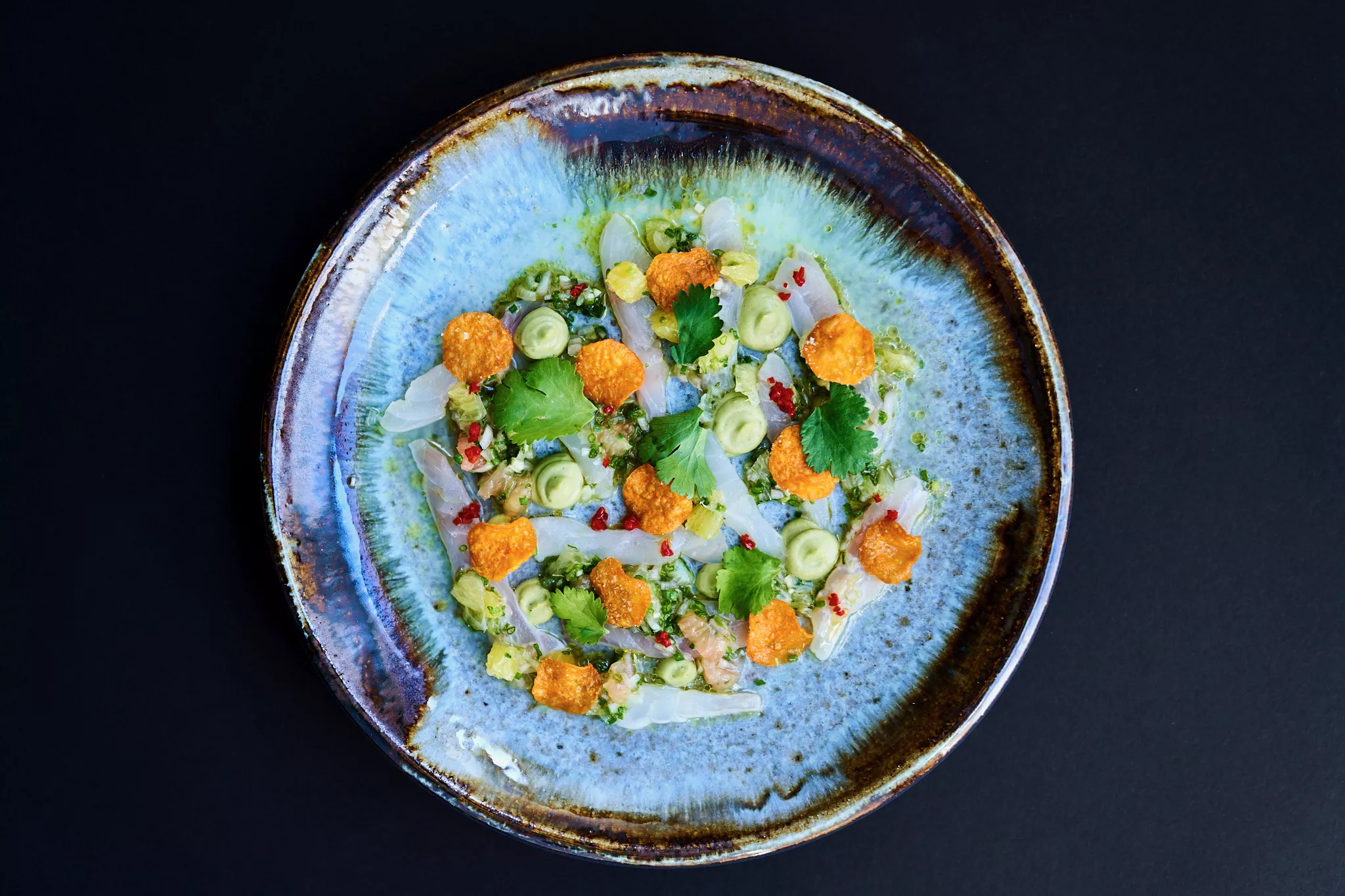
The Black Bass, served at Savannah's newly opened Common Thread.
Food is the thread that connects us all − no matter the language, background, or origin of each person. Sharing a meal or breaking bread is the simplest way to share culture and heritage. No matter where you are in the world, the dinner table is a communal space that binds anyone who sits at it.

Common Thread, Savannah’s long-awaited new culinary haven, was built with this idea in mind − to support and connect locals. Local diners, local farms, local fisherman, local procurers, and local chefs. In the last week of January, Common Thread officially opened its doors and is bringing exemplary farm-focused food to our growing epicurean array. There is nothing common about Common Thread. It is one of those restaurants that will define Savannah’s culinary scene for the future and will leave upon our city its stamp of greatness.

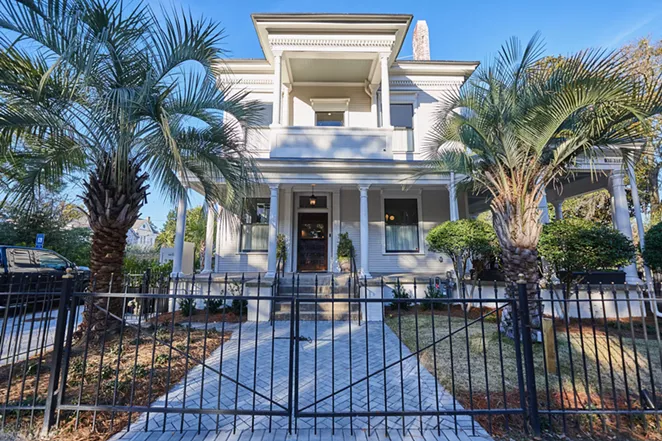
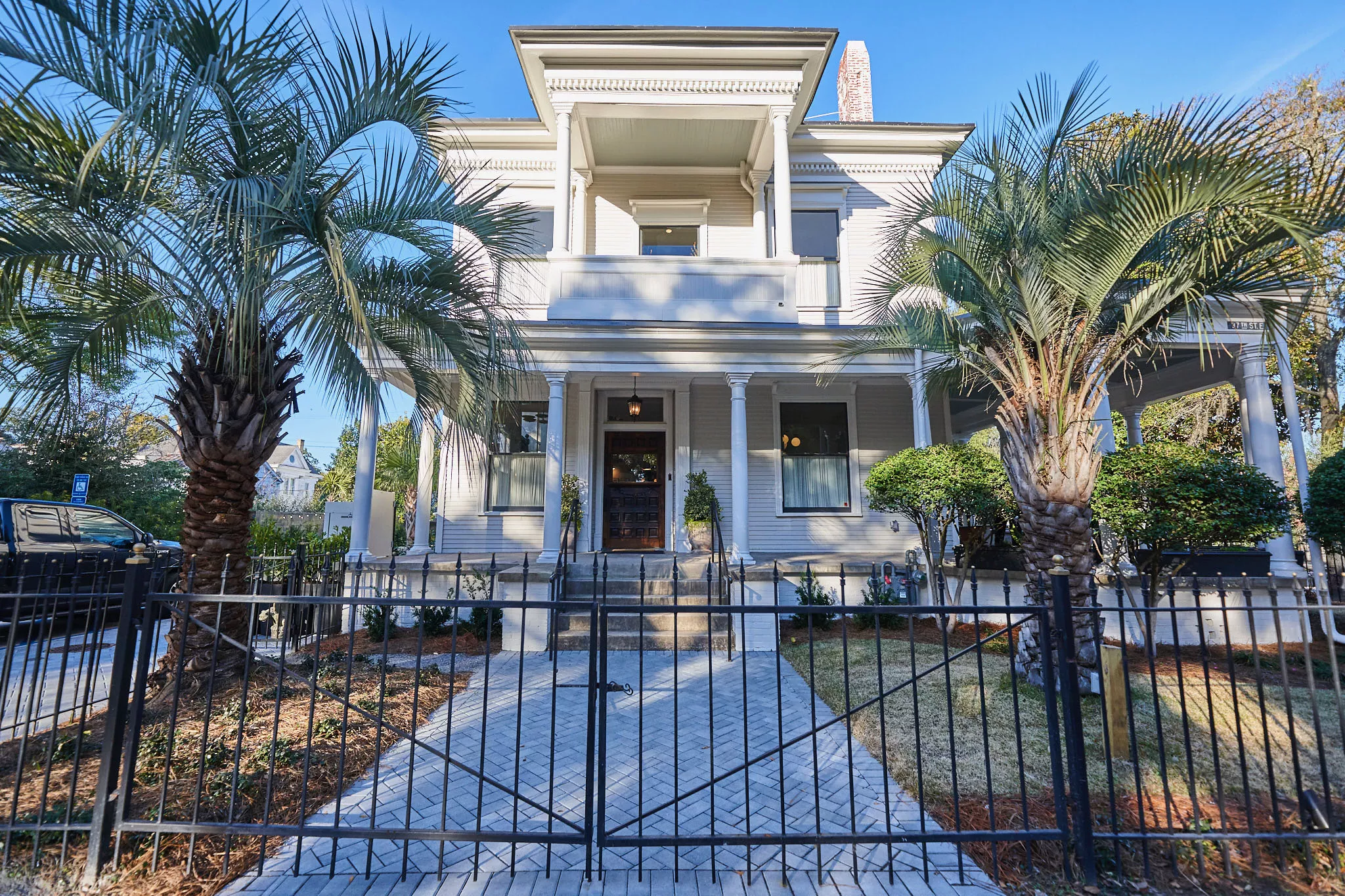
FARM Bluffton is the sister restaurant to Common Thread, and shares some of the same ideas regarding the kitchen’s approach to food. Housed within a beautiful Victorian home that previously operated as an antique store, the team behind Common Thread knew they wanted to bring something different to Savannah. Although the much-awaited restaurant took time, especially in light of the pandemic shutdown, the massive undertaking would not have happened without the expert staff that supports the kitchen.

Executive Chef Brandon Carter, who previously served as Executive Chef of FARM, was first on the team.

click to enlarge There is nothing common about Savannah's new Common Thread restaurant
John Park
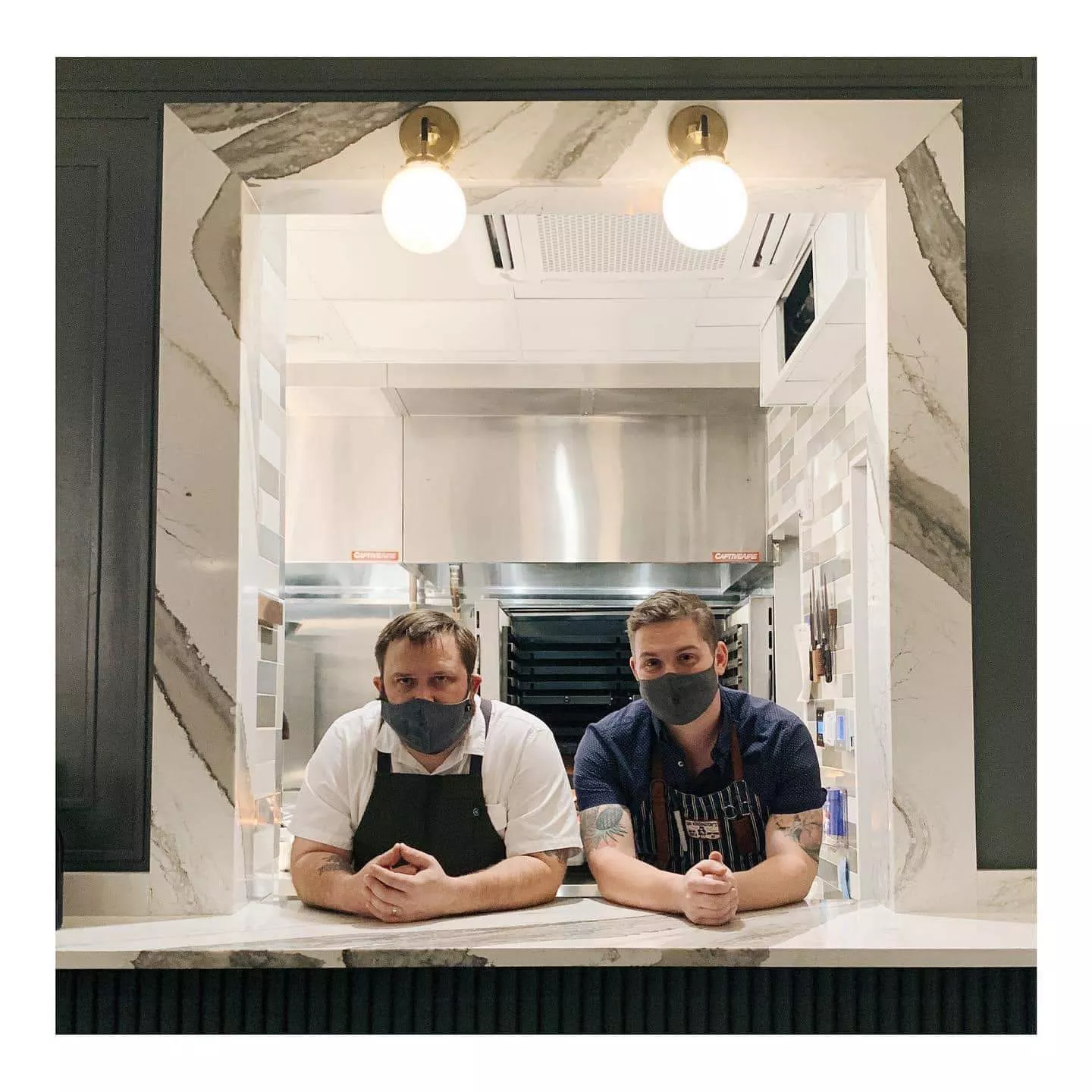
Common Thread chefs Brandon Carter and John Benhase.
“We wanted to have the same sensibilities that we have at FARM, in regard to how we prepare our food, and source locally, and source seasonally, and things like that. We wanted to make sure that we did not lose that. That is part of the reason behind the name Common Thread,” Chef Carter told me.

As the doors became closer to opening, Chef Carter brought on a well-known and established local foodsmith, Co-Executive Chef John Benhase. They both have their own culinary perspectives, and together they have created something extraordinary.

Chef Carter draws influence from his Southern roots, with some flavors of Italy as its distinctive cuisine first drew him to cooking. Chef Benhase focuses on seafood, Israeli cuisine, and African food. By working together, bringing their own unique sensibilities, and hashing through each menu item, the result is a collaborative menu that is fully balanced yet unique.

Both culinary experts were gracious enough to take a few minutes out of their bustling opening week to sing the melodies of their menu to me. One thing was clear − they have put their hearts into the restaurant and menu. When you ask a chef what dish stands out, and they answer “I love them all,” you know the meal is going to be delicious.

click to enlarge There is nothing common about Savannah's new Common Thread restaurant
John Park
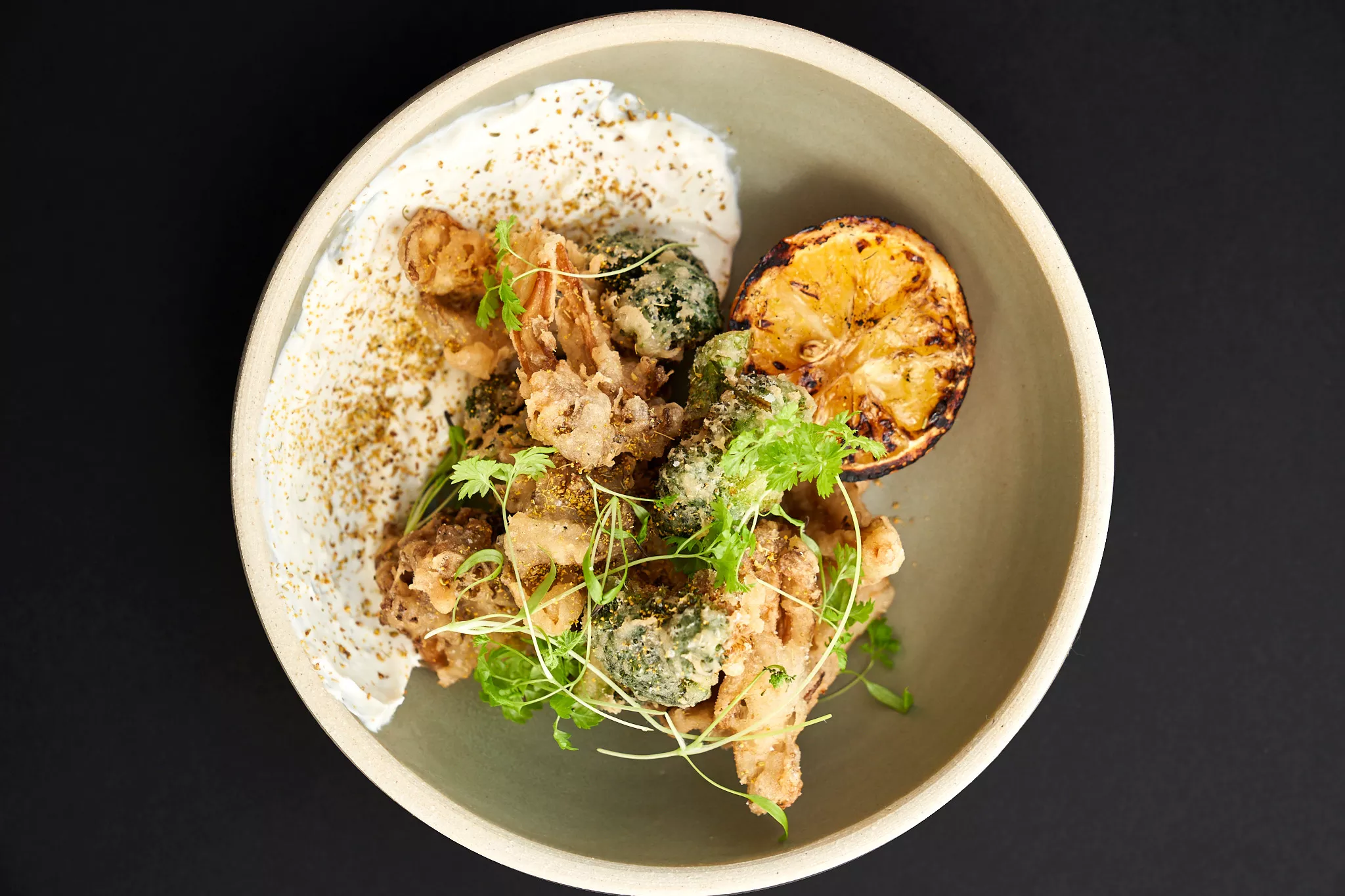
The Fritto Misto, served at Savannah's newly opened Common Thread.
Vertu Farms, Russo’s Seafood, and Bootleg Farms are just some of the many local purveyors that supply the ingredients for this new farmer-focused venue. Common Thread is partnered with Grow Food Carolina, a nonprofit distribution organization for small farmers and growers in the Lowcountry. “They source from 30 farms. They send us a list of what farm has what. It is a great way for little farms that just make yogurt or just have pecans, can send their inventory to Grow Food Carolina and they have the means to distribute it,” Chef Benhase explained.

The opening menu will change as the season and availability of ingredients change. Benhase elaborated, “That is how we cook too. We don’t call farmers and say do you have ‘this’ − we see what they have and build our menu off what the best thing is.”

After speaking with both chefs, I was inspired to eat my way through the menu. You will not find sections of starters, salads, and mains − for good reason. From top to bottom the menu runs from light to rich; but more importantly you can close your eyes, randomly select any dish, and experience food that is as delicious as your first and last plate.

click to enlarge There is nothing common about Savannah's new Common Thread restaurant
John Park
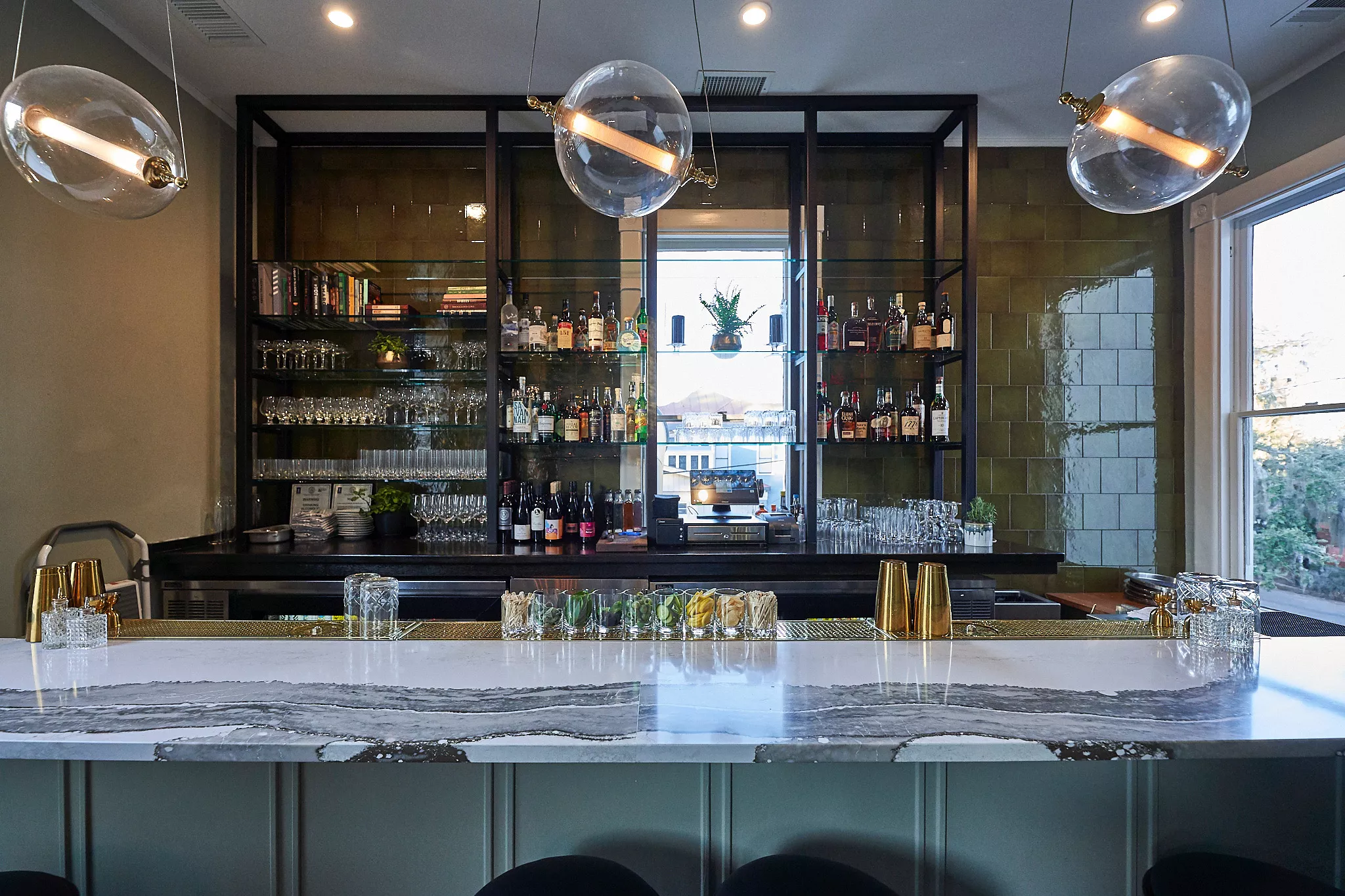
The tasteful bar at Common Thread.
“We don’t have... ‘here are your appetizers, here are your entrees.’ It is more of a progression. Forcing people into a tasting menu is not necessarily something that is approachable to everyone. We wanted to have the sensibility and structure of a tasting menu, but kind of a choose-your-own-adventure version of that,” Chef Benhase explained.

At the top of the opening menu are oysters, smoked mackerel, and black bass; then the menu carries you through a labyrinth of luscious savory plates and ends with the star of the show, the 28-day in-house dry-aged prime-strip (Chef Benhase made it clear that the day count varies by cut).

I am of the opinion that no matter what I recommend or no matter what you decide to order, you will love the dish. So instead of hashing out the entire menu, although I tried almost all of it, I am going to give you the dishes that everyone has told me they loved (including our server) and that for me were unforgettable.

Benhase’s take is this: “For me, the dishes I get most excited about are the simplest ones that surprise people. The smoked mackerel, the collards, the octopus, these are dishes that are three or four ingredients. They are really simple on paper, but layer-wise people are like, ‘I did not know this could happen.’”

The Marinated Leeks is one of those dishes that you will remember about your meal for years to come. Simply put, I have never eaten leeks that tasted this good. A heavy char is placed on the alliums. They are paired with breadcrumbs for crunch, spicy white anchovy, sherry vinegar, and white romesco.

Mackerel is a fish that everyone throws back or chops up for chum. Many do not recognize the potential in the small white fish, but Common Thread does.

A quick cold smoke is given to the delicate fish. Texture comes from the house-made ‘everything spice crunch’ that peppers the top. For the fat that balances the lean white fish, a creamy concoction of buttermilk, celery root, and labneh (yogurt) sits as a base. After this week, I expect to see more mackerel-forward dishes on menus across town.
click to enlarge There is nothing common about Savannah's new Common Thread restaurant
John Park
Common Thread is located within a charmingly refurbished Victorian house that was previously an antique store.
The Gnudi is the dish that was recommended by almost everyone I spoke to about Common Thread. “What is gnudi?” you may be asking. I am here to tell you, gnudi are little pillows of ricotta that taste as though they descended from the heavens. If God slept on a pillow, it would be made of these little bites of joy. Similar to gnocchi, gnudi is made with cheese in lieu of starch, and the result is a delicate dumpling of delight. It is yet another simple dish, layered only with garlic, basil, cauliflower, pecorino cheese, and breadcrumbs, but it tastes anything but simple.

You must order the Shrimp. No this is not shrimp and grits, as has been done tenfold in our town. This is Common’s take on shrimp and grits, which will likely make you forsake the old ways of gloopy grits topped with overseasoned shrimp. This dish is comprised of shrimp and collard greens. Tender and complexly flavored collard greens sit as the base of this composed dish, and are finished with the best shrimp in the world − sweet Georgia coastal shrimp, which are surprisingly hard to find in local Savannah restaurants.

The collards are inspired by multiple cultures: West African, American South, and Peruvian. You will take a bite and instantly wonder what ingredient it is that you can’t quite place. It’s the peanut sauce that is layered with fermented peppers and a bunch of other magical foodstuffs. It is a dish that will proudly make you forget your grandmother’s vinegar-coated collard greens. You will be glad that you experienced something you have eaten a thousand times in a completely new way.

On their own the collards are vegan, as with many of the dishes featured at Common Thread. Whether you are vegetarian, vegan, or pescatarian, you can still have a communal experience with your friends by eating most of the same dishes that are already included on the menu. The chefs took the time to create a standalone menu just for that so guests do not have to order a couple of side dishes to make up a meal.

I learned a lot just by talking with Chef Carter and Chef Benhase and eating their food. Chef Carter left me with this: “We might make our food look like this or we might use this ingredient, but it is all the same. Everybody has their rice-and-bean dish, everybody has the ham that they smoke, everybody has their style of bacon. The way that we use chilis might feel like one way in Korea and like another in Italy. It is anchovies in Italy and brine shrimp in Korea, but they do the same thing. They are giving you that same sensation. For me that is one of the most interesting things about the way we approach food. We make the world a little bit smaller. It is the Common Thread.”

Common Thread: 122 E. 37th Street, Savannah. See commonthreadsavannah.com to learn more, and visit epicuropedia.com to read more by Lindy Moody.
Tags: ,

'Progressive Regression' makes clear that museums are responsible for their values and what they display
Posted By on Tue, Feb 2, 2021 at 12:24 PM

click to enlarge A new exhibit at Savannah’s Telfair Academy examines outdated origins of museums
Courtesy of the Telfair Museums
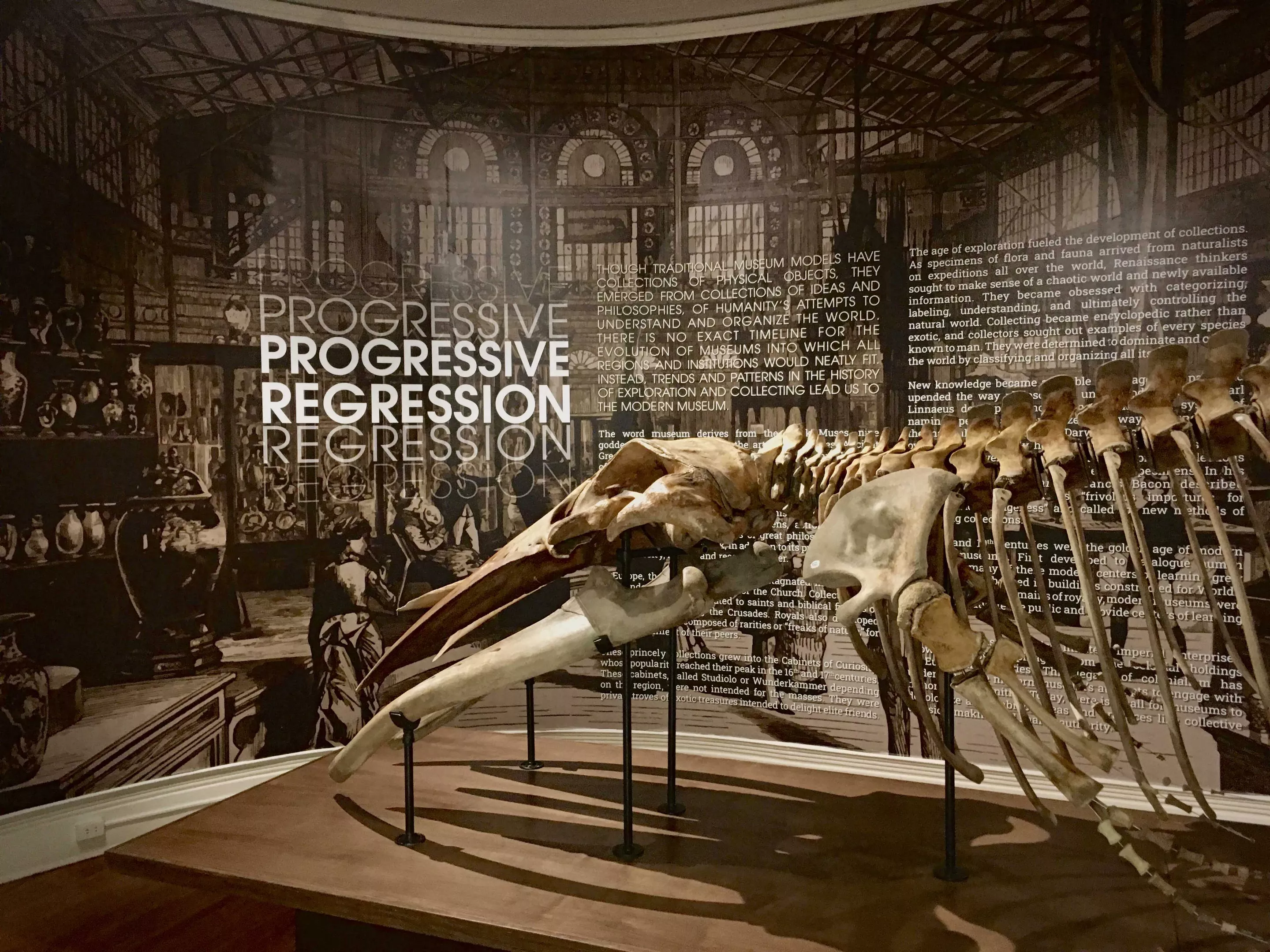
A monumental 22-foot-long Bryde's whale skeleton greets visitors at Savannah's new 'Progressive Regression' exhibit.
Museums were intended to be centers for learning and spaces to educate the public. Our current understanding and approach to these institutions grew from a human impulse to collect, categorize, and understand. To make meaning.

But as Savannah’s new Progressive Regression: Examination of a 19th Century Museum exhibition makes clear, museums are intimately connected with imperial enterprises and colonial attitudes, especially concerning private property, collections, ownership, and access. This problematic ethical and moral territory is the basis for the cultural reckoning happening in museums throughout the United States as they rethink their relevance, particularly related to underrepresented communities.

Progressive Regression opened at the Telfair Academy in January to offer visitors an intimate case study of the history, philosophy, founding ideals, and contemporary purpose of Western historical museums. The exhibition is refreshingly self-reflective in sharing its history, openly asking vital questions, and inviting the public into a dialogue about our shared responsibility for the cultural institutions of the future.

click to enlarge A new exhibit at Savannah’s Telfair Academy examines outdated origins of museums
Courtesy of the Telfair Museums
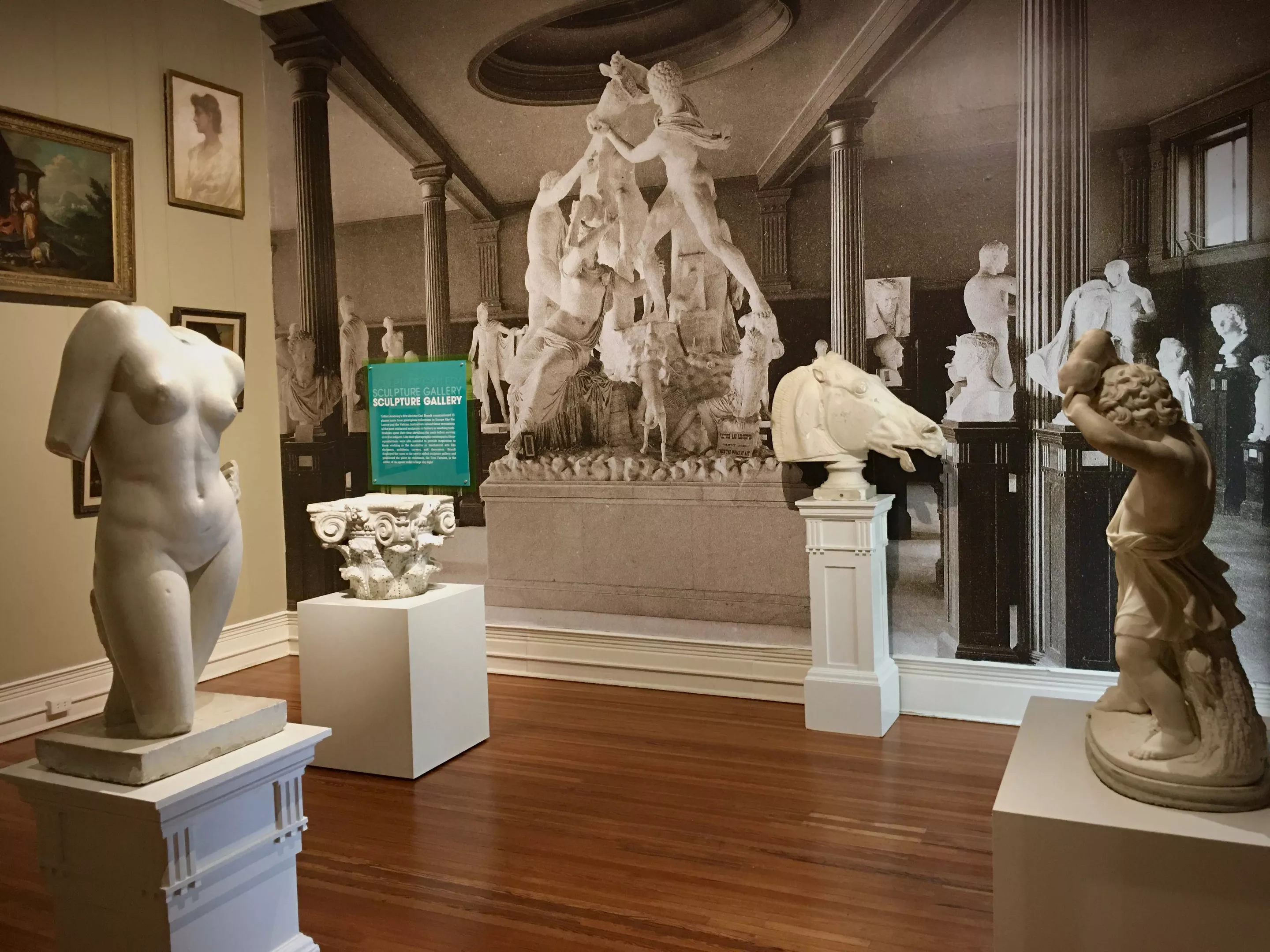
Visitors can view varied artworks of multiple genres with a new perspective at Savannah's new 'Progressive Regression' exhibit.
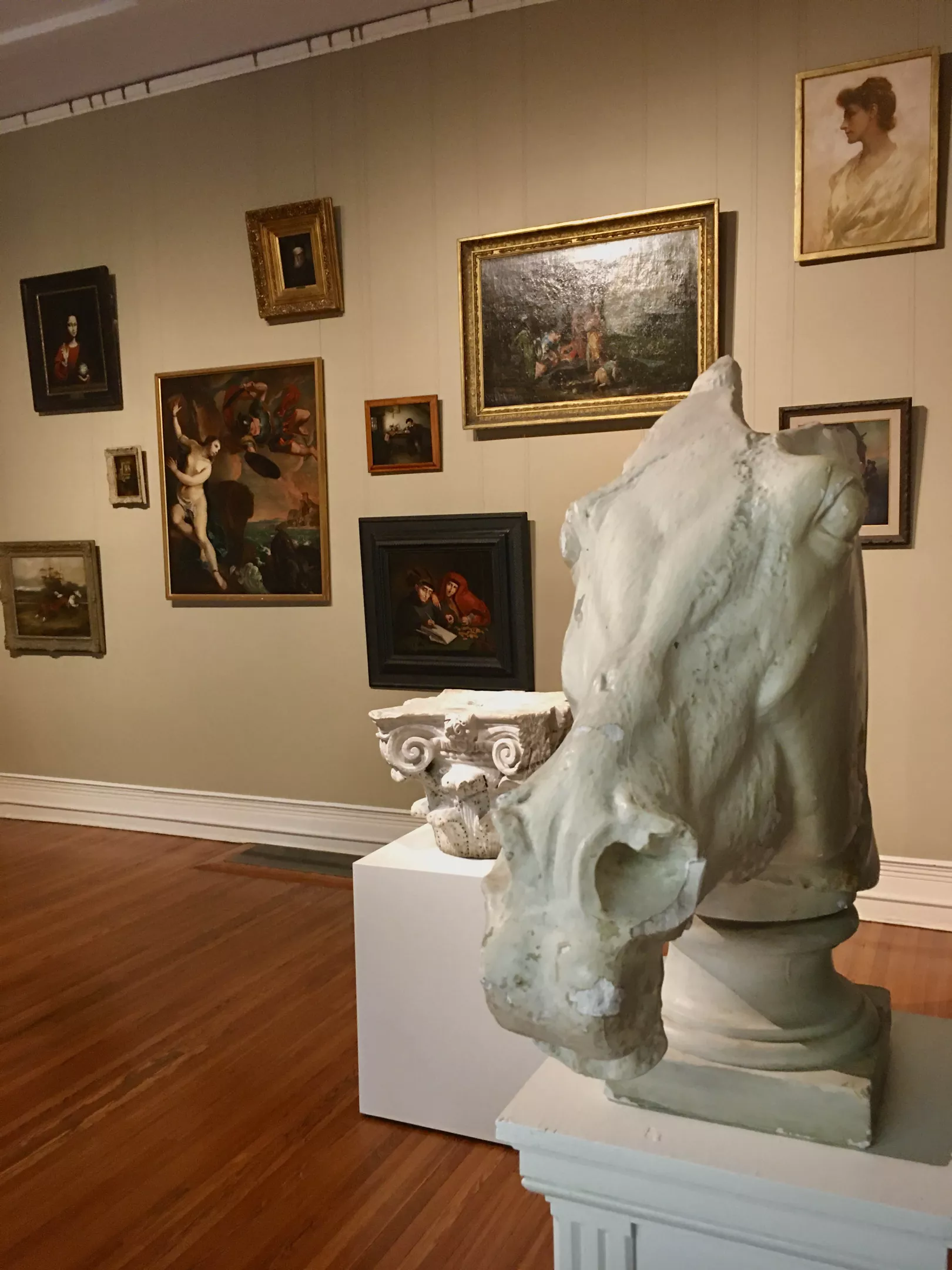
Exhibit organizer Shannon Browning-Mullis, Telfair’s former curator of History and Decorative Arts who is currently serving as executive director at the Juliette Gordon Low Birthplace, explains, “I’m a firm believer in the need to understand the past to inform decisions about the future. It inspired me to question the founding of museums.”

For anyone unfamiliar with the history of Telfair Academy, the museum was founded in 1875 upon the death of Mary Telfair. The Telfair Academy of Arts & Sciences was the first U.S. museum founded by a woman, and the first public museum in the Southeastern region of the United States.

Progressive Regression uses the Telfair’s own history of collecting as the organizing principle. Thematic groupings in the exhibition show how the Telfair’s collection has been shaped by its geographic location; the values, interests, and priorities of its founder, trustees, employees, and volunteers; as well as the public it serves.

The exhibition itself is exciting in its ability to make big, challenging ideas tangible, oddly familiar, and personal. From a monumental 22-foot-long Bryde's whale skeleton to a playful and puzzling 19th century marble sculpture of a boy with dogs by British sculptor Joseph Gott, and Egyptian textile fragments from the Hilton Collection, the eclectic range of intentionally selected objects drives the exhibition’s aim to encourage visitors to think beyond traditional categories of a museum, allowing for new pathways of understanding about the world we live in.

click to enlarge A new exhibit at Savannah’s Telfair Academy examines outdated origins of museums
Courtesy of the Telfair Museums
Visitors can view varied artworks of multiple genres with a new perspective at Savannah's new 'Progressive Regression' exhibit.
As discussions continue about the future of museums and how they connect with the communities they serve, museums are evaluating their institutional structure and ways of working. Browning-Mullis anticipates a less hierarchical and siloed future.

“I think there will be more room for shared decision making and perhaps a place for co-curating between art historians/historians and the public,” Browning-Mullis said. “Increasingly, we are understanding that the traditional written sources are important but flawed. They need to be balanced with oral history and community-based knowledge.”

Museums can be thought of as slow-moving, change-averse repositories. Depending upon the specific institution, that may or may not be true. Progressive Regression makes clear that, regardless of how quickly they move, museums are institutions comprised of human beings responsible for its values and relevance within a community. Browning-Mullis is optimistic that more people will become involved.

“I hope visitors come away from the exhibition imagining how we can change museums in the future. I hope they question the museum’s role in their community and their own role in the museum,” Browning-Mullis said. This exhibit offers an inviting, open door to the process of realizing such a vision.

Progressive Regression: Examination of a 19th Century Museum is ongoing at Telfair Academy (121 Barnard Street, Savannah). On Feb. 25 at 6 p.m., Telfair will host a free opening reception and virtual lecture by Shannon Browning-Mullis via Zoom. Visit telfair.org for more details.

Tags: , ,

Monday, February 1, 2021

Discover momentous locations from the long saga of Savannah's African-American community
Posted By and on Mon, Feb 1, 2021 at 4:46 PM

click to enlarge 5 Sites of Savannah's Black History
Alex Neumann
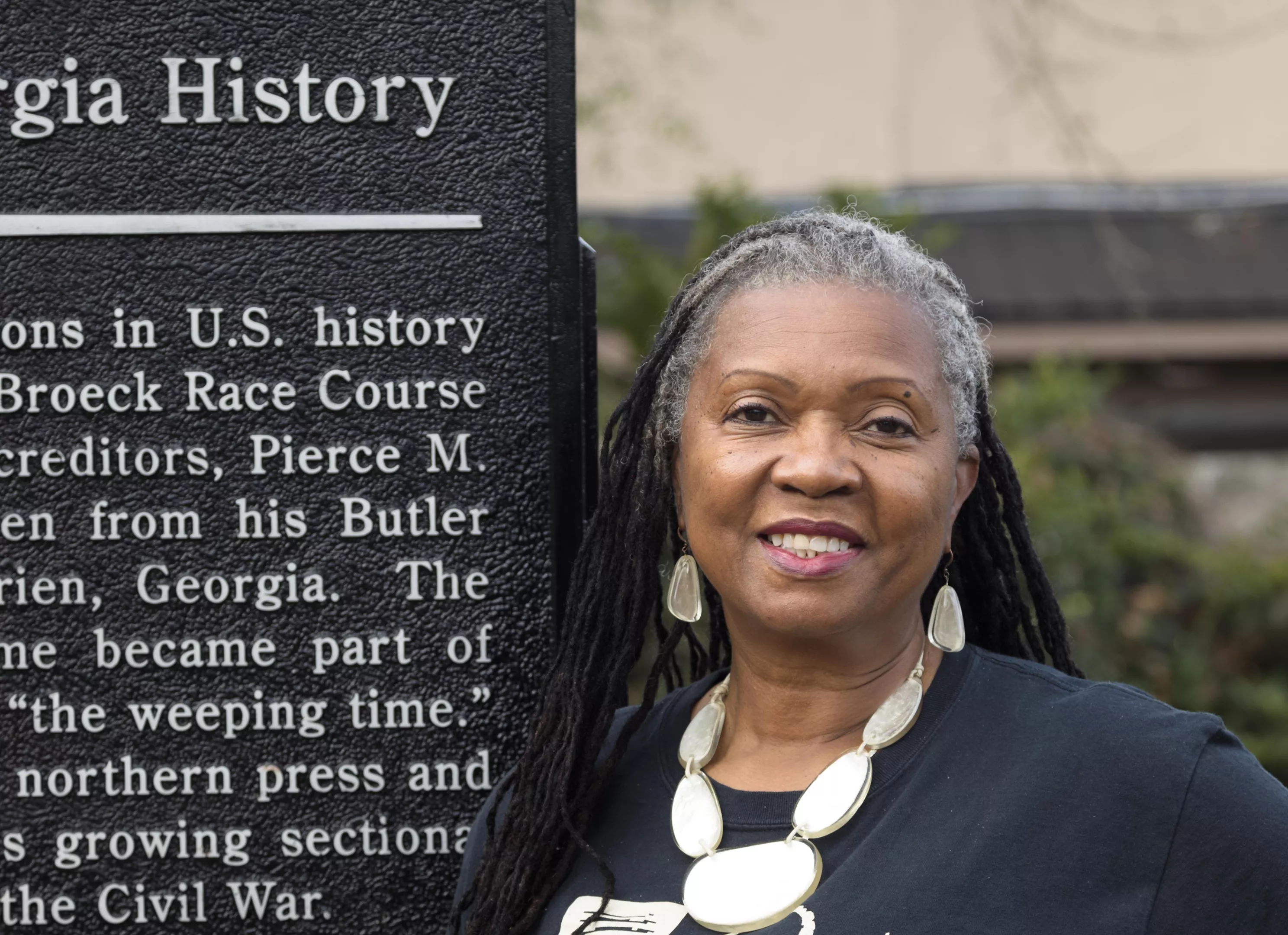
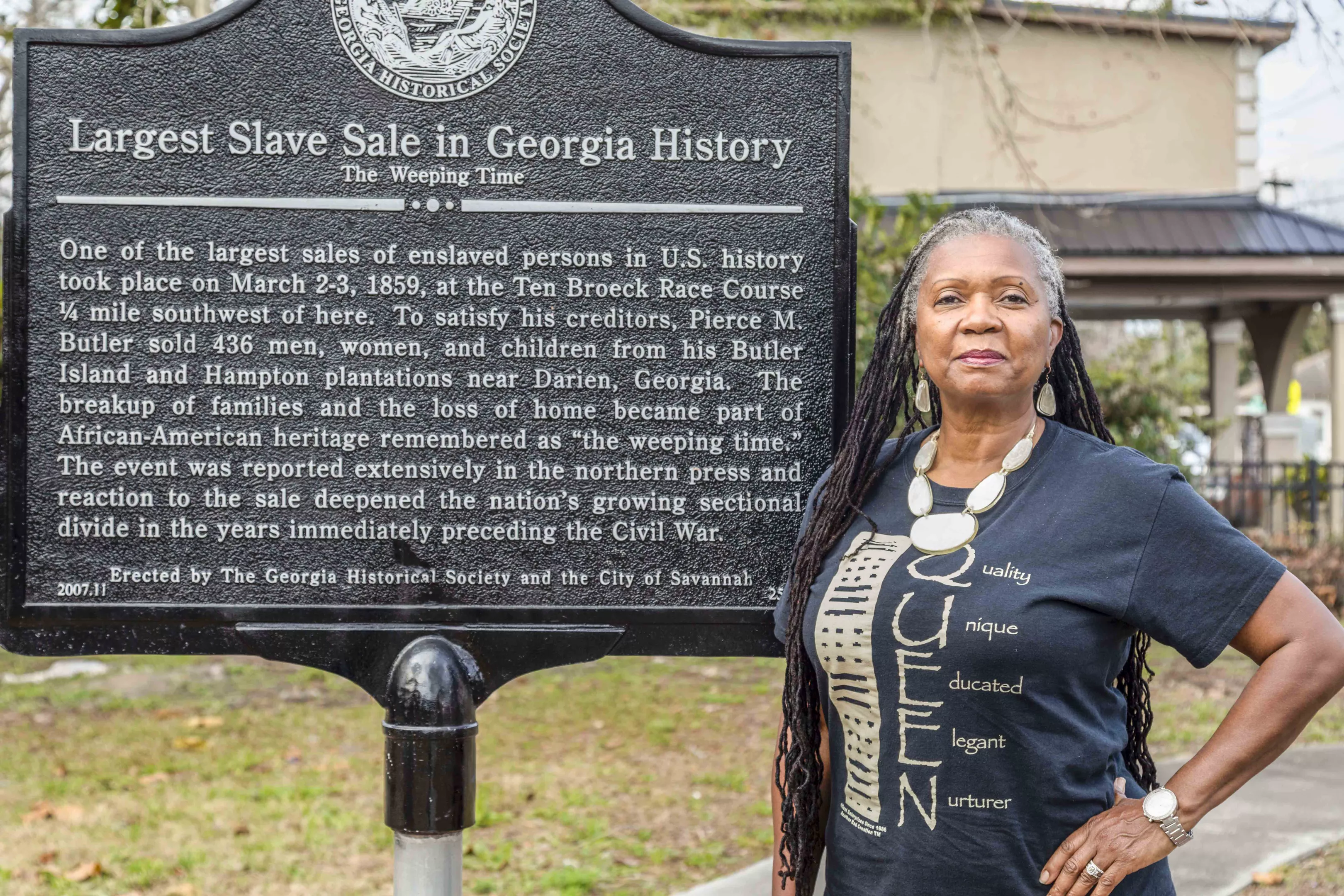
Savannah Alderwoman Bernetta Lanier stands by Savannah's historical plaque commemorating 'The Weeping Time.'
In honor of Black History Month, we present five sites around Savannah that were all major settings in the long saga of this community’s African-American population, with insight from local leaders and historians to illustrate why these locations are all revered and recognized with commemorative historical markers by the Georgia Historical Society.

click to enlarge 5 Sites of Savannah's Black History
Nick Robertson/Connect Savannah
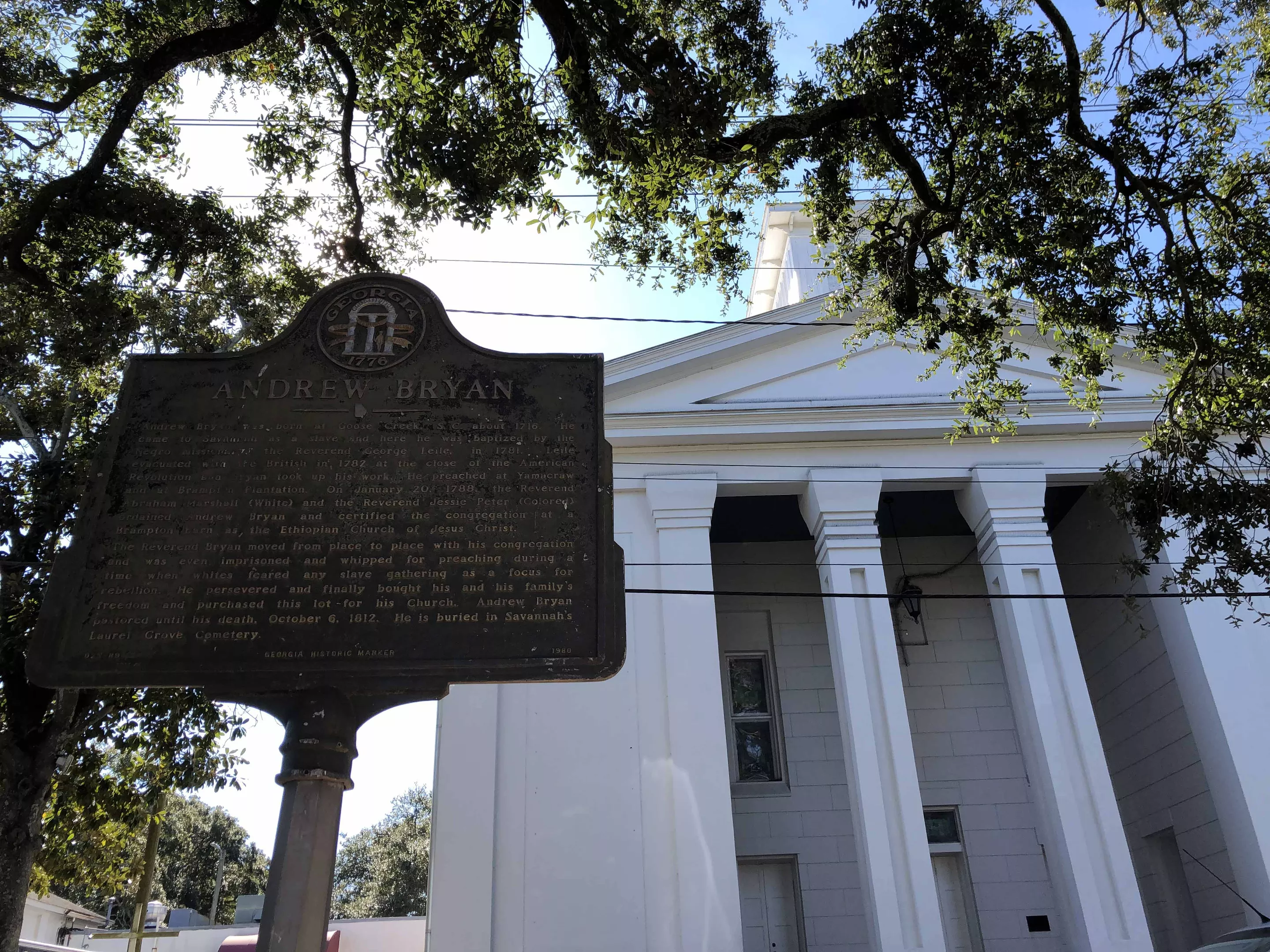
The First Bryan Baptist Church in Savannah's historic Yamacraw Village neighborhood.
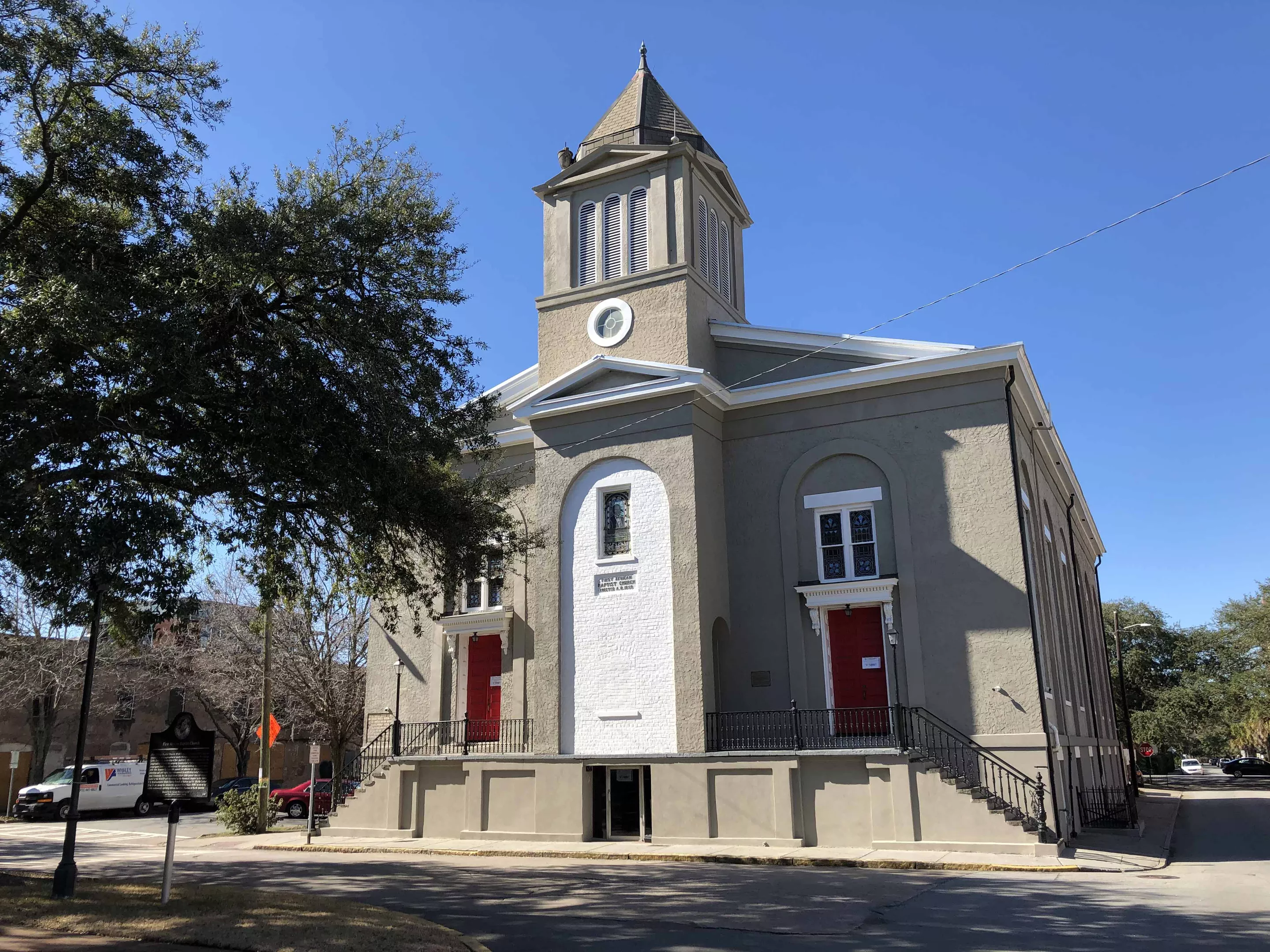
FIRST BRYAN BAPTIST CHURCH

Rev. Andrew Bryan was repeatedly whipped, beaten, and jailed for preaching to Savannah’s enslaved African Americans during the late 1700s, yet he kept returning here until persevering in his mission of building the first Black Baptist church in the United States of America.

According to the Georgia Historical Society historical marker standing in front of the First Bryan Baptist Church in Savannah’s Yamacraw Village neighborhood just west of downtown, construction of an earlier church building at this location began in 1793 soon after Bryan was able to purchase this lot. That makes this site the oldest parcel of American real estate owned continuously by African Americans, according to church historian Georgia W. Benton.

“The whites persecuted him so severely because they didn’t understand the African movement and Christianity combined,” Benton said of Bryan, who was born enslaved but later purchased his freedom before securing the church plot. “Andrew Bryan probably was the first Black to own land in America.”

Bryan was born on a plantation owned by Jonathan Bryan in Goose Creek, South Carolina, where the enslaved were encouraged to practice Christianity and were not forced to work on Sundays, according to Benton.

“Jonathan Bryan was a major part of the great Christian awakening for slaves in South Carolina,” Benton said. “There was no problem with Andrew Bryan being religiously trained.”

While growing up enslaved on the plantation, Bryan met George Liele – a groundbreaking African-American preacher who converted to Christianity in about 1774, and became the first Black Baptist missionary – and Bryan was baptized along with his wife Hannah. With the consent of Jonathan Bryan, Andrew Bryan began visiting plantations around the region to preach to all Black and white people who gathered to hear him, Benton said.

Here in Savannah, a white landowner named Edward Davis allowed Bryan and his growing flock to build a rough wooden house of worship on his property in Yamacraw. However, other white Savannah residents looked upon Bryan’s services with suspicion, thinking them a possible precursor for a slave rebellion, and began interrupting these religious gatherings to violently punish Bryan and the enslaved people in his congregation, according to Benton.

“There was nothing easy about the early church, nothing easy at all. Just imagine someone whipping you,” Benton said, noting that this violence did not deter Bryan from returning to Savannah to preach, even after he was jailed twice. “Andrew Bryan left Yamacraw and came back to Yamacraw three different times, even though he knew he was going to be persecuted.”

In response to the violence inflicted upon Bryan and his followers, Jonathan Bryan and other enlightened white community members defended the practice of allowing the enslaved to congregate and worship. By 1790 Bryan was able to purchase his freedom to pursue preaching full-time, and with the help of his congregation and white sympathizers, he bought the lot where First Bryan Baptist Church now stands at 575 W. Bryan St. for “30 pounds sterling” in September of 1793, according to church records.

Benton says that the story behind the storied plot of land now housing this stately church – with its current incarnation completed in 1888 – is a testimony to the power of unity between people of different races.

“It took Blacks and whites working together. Think about the white trustees that stood up. Think about the white slave owners who stood up,” Benton said. “It took people who knew that something was wrong who stood up.”

Over the years, First Bryan Baptist Church played a central role in Savannah’s Black history, up to modern times. Local civil rights leader W.W. Law taught Sunday school here for many years, according to the historic plaque in front of the church, and in September, Rev. Raphael Warnock – the Savannah native who was elected on Jan. 5 to become Georgia’s first Black U.S. Senator – delivered a rousing speech here while on the campaign trail.

− Nick Robertson

click to enlarge 5 Sites of Savannah's Black History
Alex Neumann
Savannah Alderwoman Bernetta Lanier stands by Savannah's historical plaque commemorating 'The Weeping Time.'
SITE OF ‘THE WEEPING TIME’

Wails of anguish continually drowned out the patter of incessantly pouring rain during “The Weeping Time” − one of the largest sales of enslaved people in American history, which occurred on the site of a former racetrack just west of downtown Savannah during March 2-3, 1859.

According to the Georgia Historical Society historical marker commemorating The Weeping Time in a small West Savannah park at the corner of Augusta Avenue and Dunn Street, plantation owner Pierce M. Butler sold 436 men, women, and children here to pay off his creditors. Numerous slave traders from near and far descended on Savannah’s Ten Broeck Race Course to purchase Butler’s forced laborers, who in the process were frequently ripped apart from their family members forever.

For Savannah Alderwoman Bernetta Lanier, a West Savannah native who now represents the surrounding District 1, The Weeping Time hits home in multiple respects. Lanier’s family traces their lineage to enslaved people on one of Butler’s plantations, and she lives just a few blocks away from where the 1859 incident occurred. However, it was only in recent years that The Weeping Time started to be recognized here; Lanier and her neighbors had no idea about it while growing up. “We were surprised that this had happened and we didn’t know about it,” Lanier said of The Weeping Time, adding that history is often obscured in regards to major sales of enslaved people across the South. “Those stories have been swept under the rug and not acknowledged.”

Lanier says that the enslaved were often sold in antebellum Savannah’s central Johnson Square, but due to the huge number of people that Butler was trafficking, this sale was held at the racetrack instead. There the enslaved families were kept in horse stables, while their prospective purchasers partied at downtown taverns throughout the multi-day sale.

“During those three days of the sale, it rained that weekend,” Lanier said, noting that the enslaved were kept in deplorable conditions while awaiting their turn on the auction block. “Folks were becoming ill, and I know they were disheartened with what they were enduring.”

The rain kept dumping down throughout the sale, as children were repeatedly torn from the arms of their sobbing parents to be carted away by new owners to places unknown. The aggrieved victims came to believe that the torrential downpour flowed from the eyes of God, according to Lanier.

“God must’ve been weeping because of the tragic situation,” Lanier said, explaining how the sale became known as The Weeping Time.

The historical marker goes on to state that The Weeping Time was widely reported in northern newspapers, and the reaction among readers deepened America’s divide over the issue of slavery in the years running up to the Civil War.

The sale also resulted in a diaspora of this region’s African Americans across the South, with many of their descendants now visiting Savannah to view The Weeping Time site, Lanier said. However, while she is glad that this incident is recognized by the plaque (which is actually located several blocks from the former racetrack location), Lanier believes that a larger memorial, or even a museum, would be a more appropriate homage to The Weeping Time.

“When [descendants of the enslaved] come here, what are they looking at? A monument that’s three blocks away,” Lanier said, while acknowledging that the actual site of The Weeping Time sale is divided by Interstate 516 and privately owned lots. “We need to recognize that and create a separate space where people can come and commemorate.”

Lanier and other community members are collaboratively working toward realizing that goal in a way that can both boost the local economy of West Savannah and pay tribute to the hundreds of African Americans whose families were irreversibly severed during The Weeping Time.

“We consider those properties sacred ground,” Lanier said. “This is bigger than Savannah. It’s an American asset.”

− Nick Robertson

click to enlarge 5 Sites of Savannah's Black History
Brandy Simpkins/Connect Savannah
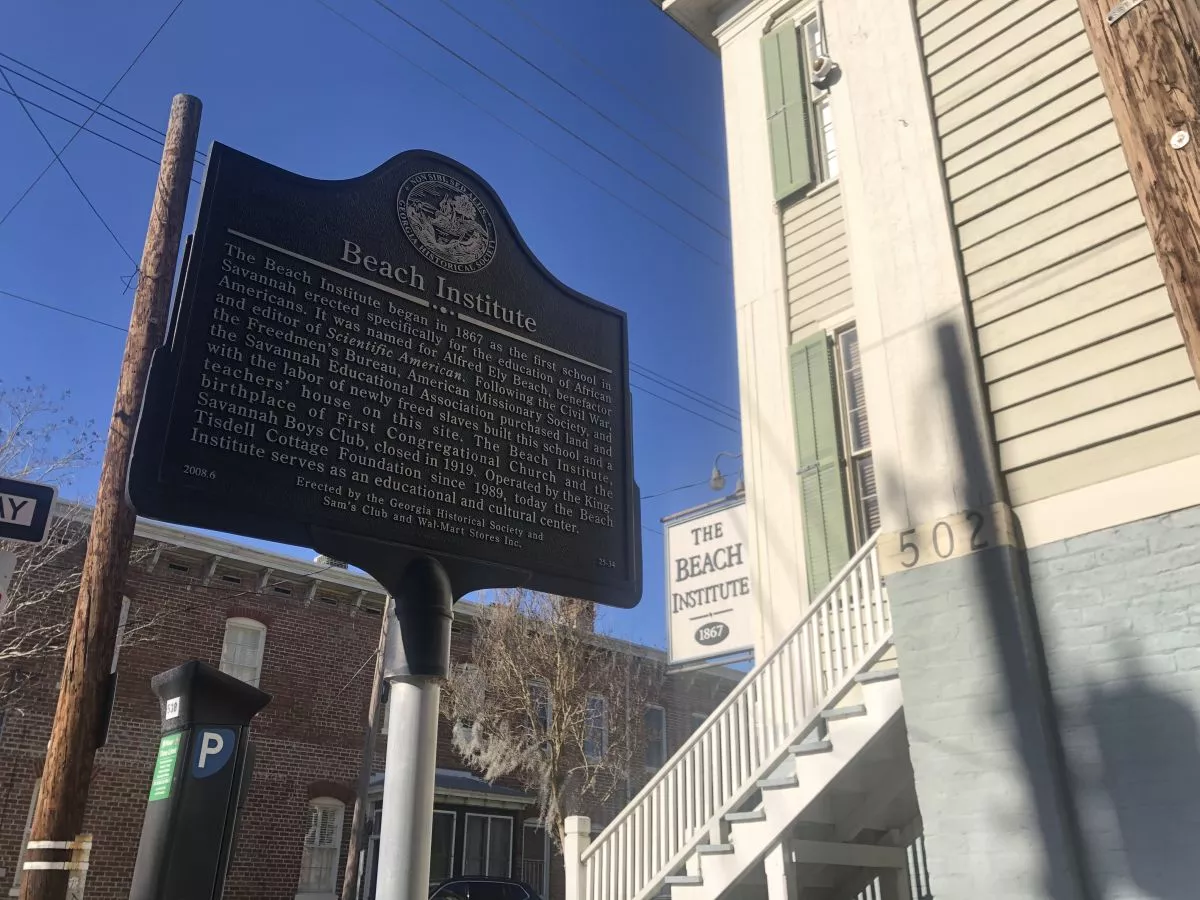
The historical plaque standing before Savannah's Beach Institute building.
THE BEACH INSTITUTE

Prior to the nullification of American chattel slavery, the enslaved were strictly forbidden from educating themselves, but after slavery was abolished, the newly emancipated laborers could finally build their own schools.

Following the Civil War, in 1865 Black Savannahians organized the Savannah Education Association to open schools for newly freed African Americans with fiscal support from northern church societies. According to a historical marker by the Georgia Historical Society at 502 E. Harris St., in 1867 the Beach Institute became Savannah’s first established school erected specifically for the education of African Americans.

“The Beach Institute was named after Alfred Ely Beach, for whom Beach High School was named. He was from New York, and he was a scientist and editor of a magazine called Scientific American,” said Dr. Annette Brock, a former vice-president for institutional advancement at Savannah State. “It is through the money that he gave to the Freedmen’s Bureau, in conjunction with the Union forces during Reconstruction, that allowed the Beach Institute to be built there.”

Beach − who donated $13,000 to the Freedmen’s Bureau, the American Missionary Society (AMA), and the Savannah Educational Association − purchased the land on which the Beach Institute and a teachers’ house was built by the hands of the formerly enslaved.

The AMA collected $1 a month from 600 student attendees before the Savannah Board of Education leased the building from the AMA and began operating it as a free public school for black children in 1874.

Four years later, the school broke out into a mysterious fire, and the students temporarily relocated to Fairlawn Plantation on East Broad Street, according to Brock.

“The American Missionary Association administered the school first, and then the school was under the auspices of the Public School System, but after the fire broke out, and the people had to move the school over to the Fairlawn plantation, the AMA reclaimed the school, taking it back from the public school system,” said Brock.

The Beach Institute also became the birthplace of First Congregational Church and the Savannah Boys Club before 1919, when the AMA withdrew from high-school education efforts in the South to focus on higher education.

Following the AMA’s withdrawal from the Beach Institute, the building continued to house many educational establishments until activity stagnated in the 1970s.

Brock said that W.W. Law, Savannah’s most prominent African-American civil-rights movement activist, inquired about obtaining the Beach Institute from the Board of Education (which had regained ownership by then) to boost the King-Tisdell Cottage Foundation, an organization he founded to research, collect, interpret, and present African-American history and culture. The Board of Education denied Law for years, but he prevailed until achieving his goal.

“He had a big broad vision. He approached the Board of Education about giving him the school to be used as an extension of the education of the execution of the King-Tisdell Cottage’s mission. After a board member connected with the people at SCAD, and Mr. Law made contact with them, they actually purchased the building, and deeded it to us for like a dollar,” said Brock. “SCAD painted the roof on the building, and it was turned over to us in a ceremony in 1989. They donated it on account of the respect and esteem that they had for Mr. Law.”

Still today operating under the King-Tisdell Cottage Foundation, the original historic building is home to the Beach Institute African-American Cultural Center, hosting exhibits and artistic and educational programs.

The upcoming #BLM exhibit at the Beach Institute, organized in cooperation with the Savannah Chatham County Public School System, opens on Feb. 3 and continues through April 30, featuring artwork by students and teachers from across the district; visit beachinstitute.org for more details.

− Brandy Simpkins

click to enlarge 5 Sites of Savannah's Black History
Nick Robertson/Connect Savannah
The First African Baptist Church on Savannah's Franklin Square.
FIRST AFRICAN BAPTIST CHURCH

By the light of lanterns and the moon, many of Savannah’s enslaved Black residents toiled night after night to build the First African Baptist Church on Franklin Square during what little free time they had.

They completed the sanctuary in 1859, and today this hallowed house of worship is one of Savannah’s primary landmarks of African-American history. A Georgia Historical Society historical marker stands before the First African Baptist Church – which is now freshly refurbished after a comprehensive restoration project was completed here in January of 2020 – honoring the building’s key role in Savannah’s saga from before the Civil War to modern times.

According to Rev. Thurmond Neill Tillman, serving since 1982 as the 17th pastor of the church, the congregation was first organized in 1773 under the leadership of Rev. George Leile and later Rev. Andrew Bryan, sharing roots with the nearby First Bryan Baptist Church. Rev. Andrew C. Marshall, the third pastor of the church who organized the first Black Sunday School in North America here, led the movement to obtain the Franklin Square property where the First African Baptist Church now stands.

The enslaved people who built the church purchased materials for it at great sacrifice to their own financial status, Tillman said, although he believes providence rewarded them soon afterwards.

“They took the money that they had earned, money that they saved up that they could’ve used to purchase their freedom, or the purchase of their family members, and instead used it to build a sanctuary,” Tillman said, adding that the church was dedicated in 1861. “Less than two years later, Abraham Lincoln signed the Emancipation Proclamation.”

Traces of the builders’ heritage are still visible within the church, according to Tillman.

“The building has many, many African signs and symbols,” Tillman noted, such as writings inscribed on some of the balcony’s original pews in West African Arabic script, and holes in the floor of a lower level shaped in an African prayer symbol known as a BaKongo cosmogram.

The church served as an important gathering place for Savannah’s Black community throughout the Reconstruction era, and in the late 1800s its sixth pastor, Rev. Emanuel King Love, was instrumental in establishing Savannah State University, according to the historical marker.

Another notable pastor here was Rev. Dr. Ralph Mark Gilbert, a prominent leader in reviving Savannah’s NAACP branch in the 1940s and a mentor for Rev. Dr. Martin Luther King, Jr., Tillman said. Nowadays, Savannah’s Ralph Mark Gilbert Civil Rights Museum is named in the pastor’s honor.

“Dr. Gilbert was a little ahead of his time,” Tillman said, adding that Gilbert played a key role in the hiring of Savannah’s first nine Black police officers. “He was far ahead when it came to race relations.”

During Savannah’s civil rights protests in the early 1960s, the church served as a staging ground where activists could gather before participating in sit-ins and other demonstrations.

Having filled the role of First African Baptist Church pastor for almost four decades, Tillman is well aware of the building’s significance to Black history nationwide. With an eye to preserving this landmark for generations to come, he oversaw its recent $650,000 restoration project.

“The bell tower was basically deteriorating, and we would’ve had major damage if that heavy bell had come crashing through the floor,” Tillman said. The congregation had to take out a loan to fund this restoration, and in 2020 the church lost considerable revenue when the pandemic forced a temporary discontinuation of building tours.

However, Tillman believes that any hardships that the First African Baptist Church is currently enduring will be overcome by faith, just like for the congregants’ enslaved predecessors who constructed the building by moonlight.

“They were able to make sacrifices. They would pull together as a community,” Tillman said, adding that anyone who would like to help the restoration effort can visit firstafricanbc.com to contribute. “The building became a symbol of not just the struggle, but the victory.”

− Nick Robertson

click to enlarge 5 Sites of Savannah's Black History
Nick Robertson/Connect Savannah
The historical plaque mounted on the former Levy's department store on Broughton Street in Savannah.
SITE OF THE SAVANNAH CIVIL RIGHTS MOVEMENT

Nothing but their own willpower invited Blacks into the “Whites-only” establishments of the Jim Crow-era South, yet that was enough.

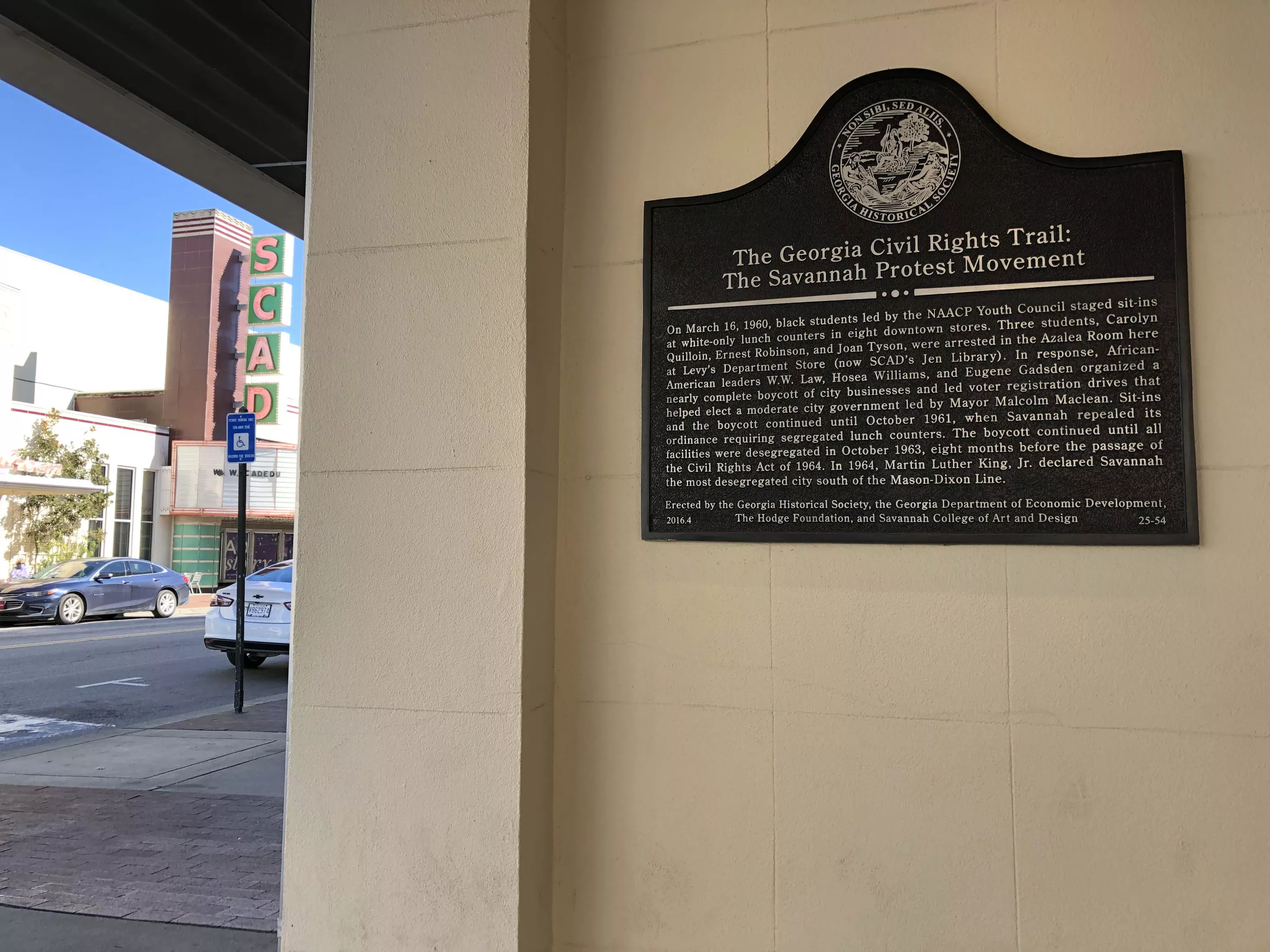
At the corner of Broughton and Abercorn Streets, a Georgia Historical Society historical marker is mounted in front of the former Levy’s department store – which now houses SCAD’s Jen Library, with the original department-store façade preserved – commemorating the Black students who, led by the NAACP Youth Council, staged sit-ins at white-only lunch counters in downtown stores in the early 1960s.

Chatham County Commissioner Bobby Lockett was only a freshman in college during these civil-rights demonstrations, and he recalls his experience as a participant in the non-violent fight for equality.

“The sit-ins back in the ’60s were two-fold as far as how you felt: you felt somewhat reluctant because you realized you were at risk, but by the same token, you realized that somebody had to do it,” said Lockett. “We were young enough, we were aggressive enough to realize that we needed to take a stand for what was right for our community and our country. That’s what the sit-ins were all about.”

Students were aware that challenging the stubborn unwritten laws of the segregated South could lead to a plethora of undesired outcomes.

“We were prepared, knowing that many things could happen, including getting spat on which we often did,” said Lockett. “We remember many times in the late evenings there were people standing downtown and in the midtown area on the sidewalks or on their porches with shotguns in their hands. There were groups trying to intimidate us, calling us out our names, calling us the n-word.”

Lockett said that he and other youths were led by African-American leaders W.W. Law, Eugene Gadsden, and other senior NAACP members. They were taught that participating in non-violent protests would be the most powerful type of demonstration, and that they must maintain their peacefulness. “If you didn’t think you could do that, you couldn’t march with us,” Lockett said.

The text on the historical marker recollects that on March 16, 1960, three students who were staging a sit-in − Carolyn Quilloin, Ernest Robinson, and Joan Tyson − were arrested in the Azalea Room, a Levy’s dining area. As a result, Law, Gadsden, and Hosea Williams organized a near-total boycott of city businesses and led voter-registration drives that helped elect a moderate city government led by Mayor Malcolm Maclean. Lockett said that Maclean was instrumental in working toward desegregating the city.

The sit-ins were continuous until October 1961, when Savannah repealed its ordinance requiring segregated lunch counters. The boycott continued until all targeted establishments were desegregated in October of 1963.

Savannah was desegregated “even ahead of Atlanta,” Lockett said with pride. Savannah’s desegregation occurred eight months prior to the nationwide desegregation ordered by the Civil Rights Act of 1964.

Following desegregation, according to Lockett, an affirmative-action plan was established between Law and downtown business owners, with Law helping the formerly segregated establishments to find Black employees. Levy’s was the first department store downtown to integrate its staff.

“At that time, my wife, Betty Lockett, was the first person of color to work at Levy’s,” Lockett recalls.

In 1964, Martin Luther King, Jr. declared Savannah the most desegregated city south of the Mason-Dixon Line, according to the historical marker.

Savannah desegregated because “we had good citizens on both sides, Black and white, that were willing to sit down and talk, and work it out peacefully,” said Lockett.

− Brandy Simpkins

Tags: , , , , ,

Sunday, January 31, 2021

Tate previously served as a Police and Community Engagement Specialist in Ferguson, Missouri
Posted By on Sun, Jan 31, 2021 at 11:07 AM

New director joins Savannah Police to address gun violence citywide
Courtesy of the Savannah Police Department
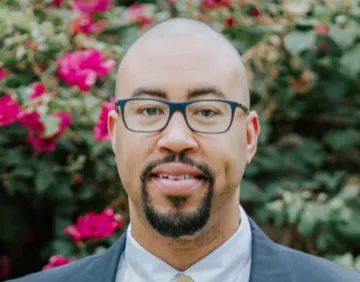
Gerard V. Tate, selected by the Savannah Police Department to lead the agency’s End Gun Violence program.
The Savannah Police Department selected Gerard V. Tate to lead the agency’s End Gun Violence program, with a goal of reducing the number of shooting incidents and other gun-related issues that occur citywide.

According to announcement by the SPD, Tate previously served as a Police and Community Engagement Specialist in Ferguson, Missouri, and was also employed as the Police Support Services Division Manager in Marysville, California. He is a ten-year U.S. Army veteran, with his service including time as a military police officer working in the criminal investigations section.

“As a native of one of the most notorious gun-violence hotspots in America, I have firsthand knowledge of what it is like to grow up in communities plagued by gun violence,” Tate stated, referring to his upbringing in Chicago’s Englewood neighborhood.

Tate’s educational background includes earning a bachelor’s degree in criminology from Webster University, a master’s in social work from Washington University in St. Louis, and his doctorate in social work from University of Southern California.

“My personal, academic, and occupational experiences have prepared me precisely for a role like the End Gun Violence Director for the Savannah Police Department,” Tate stated.

Savannah’s entire police force will benefit from Tate’s ability to identify root causes of local crime through an understanding of human behavior and social policy, according to SPD Chief Roy Minter.

“Our highest priority is to address and reduce gun violence in our community. We are very fortunate to have someone with the knowledge and expertise that Dr. Tate has at the helm of this program,” Minter stated.

In his new role, Tate will manage day-to-day operations of the SPD’s End Gun Violence program, created to address Savannah’s gun-violence issues with a public-health approach used to implement strategies that reduce violent crime. Tate’s work also entails engaging directly with the community, drawing on his experience of working with middle-school students as a D.A.R.E. officer.

According to the SPD website, the End Gun Violence program targets Savannah’s most violent groups and gang members who are responsible for a majority of shootings and homicides in the community, offering to provide them with social services to break free from the cycle of violence that often results in gun-related crimes.

Tate begins his service with the SPD in the first week of February, according to the Jan. 29 announcement.

“The Savannah Police Department is very excited about the addition of Dr. Tate to our agency,” Minter stated.

Tags: , ,

Saturday, January 30, 2021

Enjoy fresh-air fitness with no gnats
Posted By on Sat, Jan 30, 2021 at 9:42 AM

click to enlarge 18 options for wintertime outdoor fitness activities around Savannah
Adriana Iris Boatwright
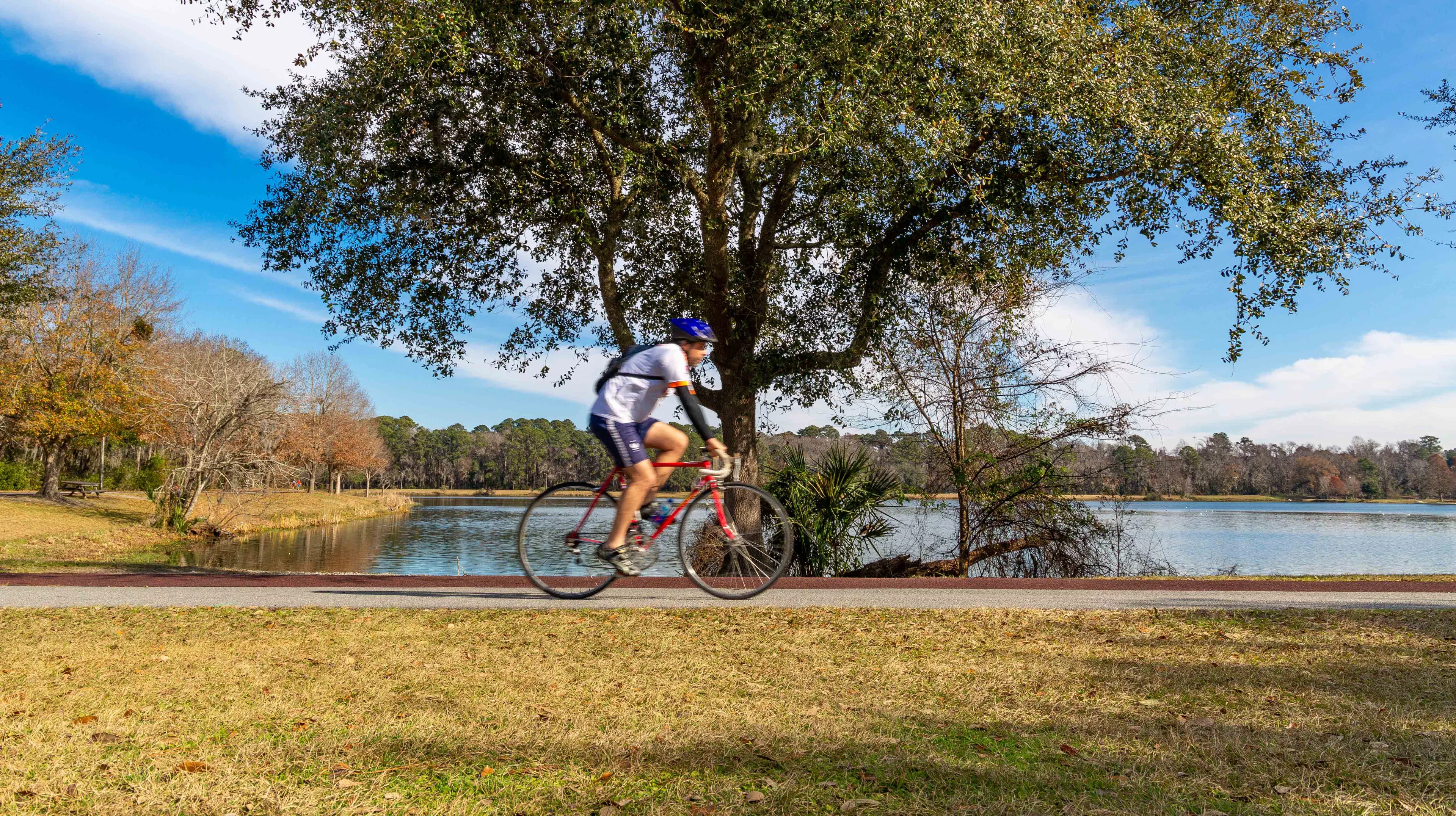
Cycling around Lake Mayer Community Park is a popular form of outdoor fitness year-round.
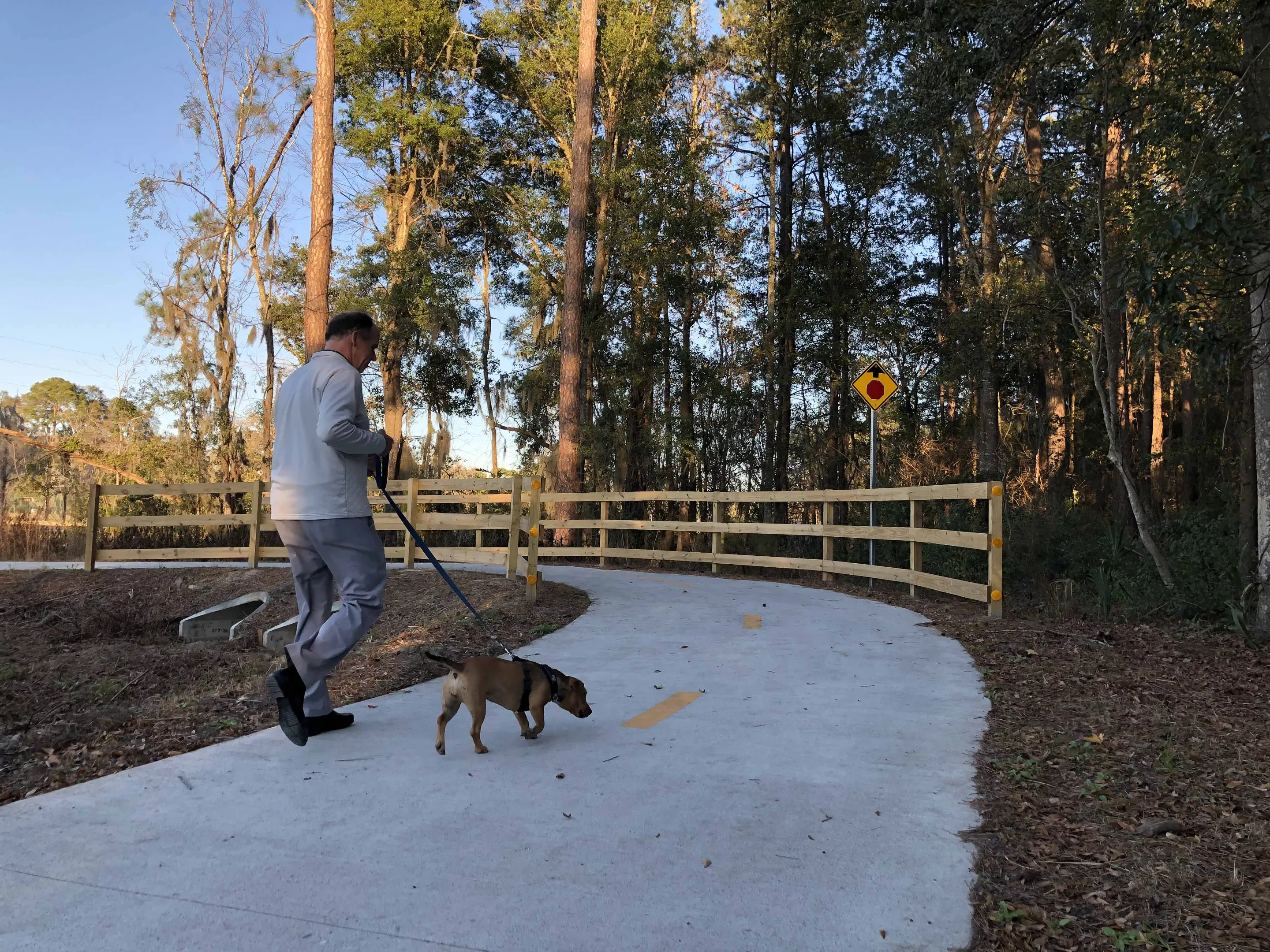
It’s easy to enjoy Savannah’s beautiful spring and summer seasons, but we are barely tolerant of the colder months. Spoiled by our reasonable temperatures, winter may seem like a poor time to visit the many appealing parks and outdoor recreation areas around our city. However, open-air exercise not only helps you shape up, but also relieves stress and reduces depression and anxiety. And as an added bonus, wintertime fresh-air fitness activities can generally be enjoyed without encountering the clouds of gnats that frequently fly around this region in warmer months. In many ways, there couldn’t be a better time than winter to explore Savannah’s outdoor-fitness options – especially since shoveling snow is almost certainly never to be one of them.

click to enlarge 18 options for wintertime outdoor fitness activities around Savannah
Nick Robertson/Connect Savannah
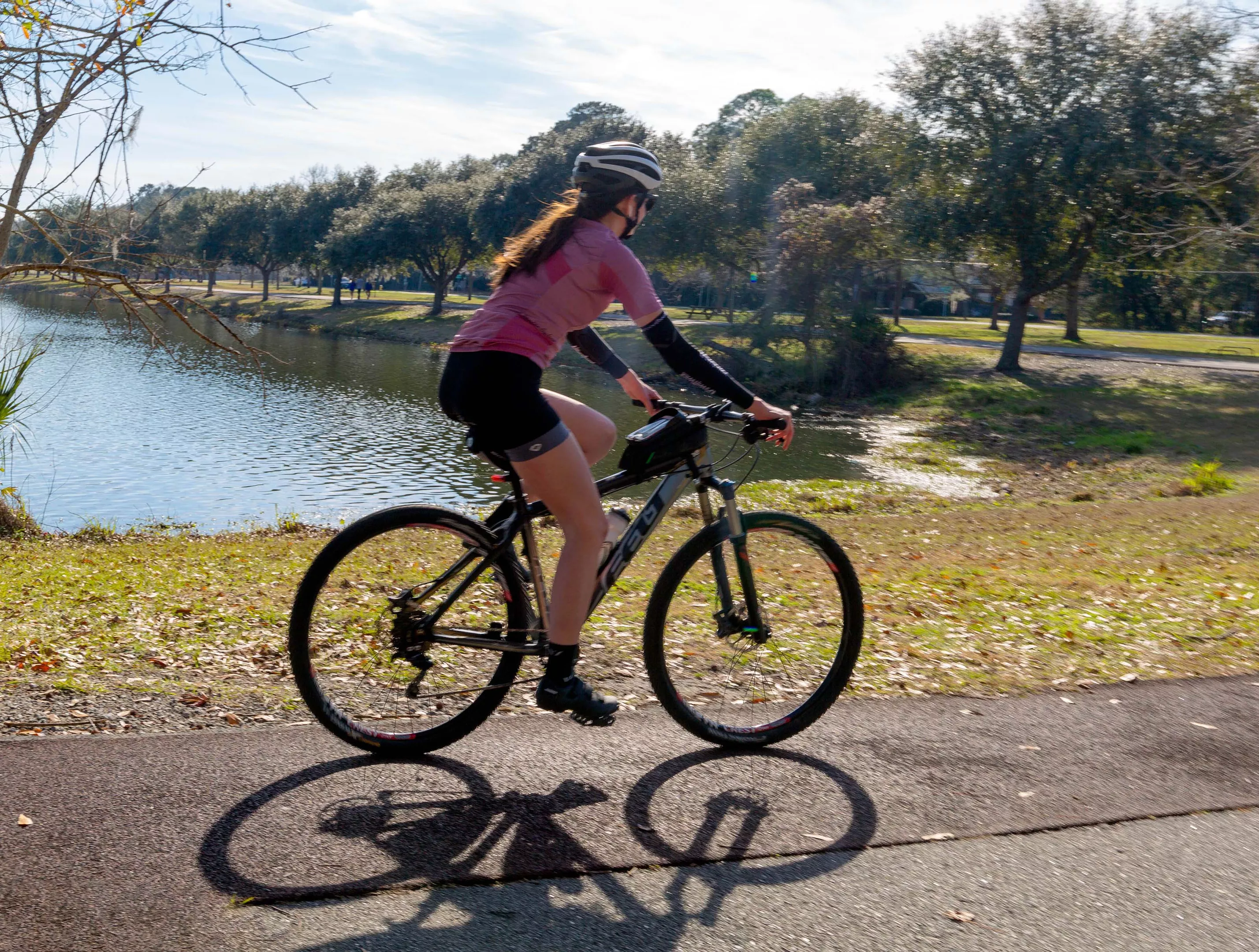
A man walks his dog on the newly completed Truman Linear Park Trail.
TAKE A HIKE OR RIDE A BIKE

Immersing in nature while hitting the trail is a huge stress reliever, whether it’s for a miles-long bike ride or a short walk with a four-legged friend. Along the way, the Lowcountry’s forested nature can look fascinating during the winter season. Try these trails around the area:

Skidaway Island State Park

The six miles of trails here offer glimpses of coastal Georgia wildlife. There are common sightings of deer, raccoons, and fiddler crabs, as well as excellent birding opportunities on any of the paths. The popular Sandpiper Trail Loop winds through marshes and creeks for about a mile, and is ADA accessible and allows dogs on leashes, but this path is closed to bicycles. The Big Ferry Loop does allow bikes, stretching three miles through the park. The one-mile Avian Loop Trail passes the Intracoastal Waterway, and the Connector Trail ties them all together. Location: 52 Diamond Causeway, Savannah. More info: gastateparks.org/SkidawayIsland

Whitemarsh Preserve

The Whitemarsh Preserve, a coastal maritime forest full of picturesque live oaks and Spanish moss, is encircled by a well-maintained track for walking and jogging. The inner loop is a popular cycling trail – even featuring log-jam crossings and dips for adrenaline-junkie mountain bikers – that is also beloved by dog walkers and hikers. For more relaxed strolling or biking, check out the paved trail that starts on Johnny Mercer Boulevard and ends in an open field near the parcel’s northern edge. Location: By the intersection of Johnny Mercer Boulevard and Bryan Woods Road, Whitemarsh Island.

Truman Linear Park Trail

As the first completed phase of Chatham County’s Tide to Town Trail Network Project, this well-structured public path provides easy access for a 4.5-mile trek, including a loop around Lake Mayer. The trail can be reached by parking at the Scarborough Sports Complex by the intersection of Skidaway Road and Bona Bella Avenue, or at Lake Mayer’s parking lots. The trail is also safe during winter’s early evening hours – planners thoughtfully added lighting, security cameras, and emergency call boxes to the ADA-accessible trail. Location: Spanning Lake Mayer Community Park to DeRenne Avenue largely alongside the Truman Parkway, Savannah. More info: tidetotown.org/truman-linear-park-trail

click to enlarge 18 options for wintertime outdoor fitness activities around Savannah
Adriana Iris Boatwright
The free fitness course at Lake Mayer Community Park can be completed on foot or by bicycle.
OUTDOOR FITNESS TRACKS

Anyone seeking a more vigorous workout has a variety of free fitness tracks to choose from in Chatham County, with varied aerobic challenges placed alongside paths for jogging or biking to provide completely customizable exercise regimens at these locations:

Lake Mayer Community Park

Lake Mayer has a 1.5-mile rubberized track with a fitness course, the Lake Mayer Circuit Run. The 18 stations of the course are easy to use, with signs explaining exactly how to do each exercise, broken down into three levels of difficulty. Hardcore health seekers can sprint between jumping jacks and wall sits. Whatever level you choose, the course is designed to provide pleasant lakeside views while getting your heart pumping. Location: 1850 Montgomery Cross Rd., Savannah. More info: parks.chathamcounty.org/Parks/Community-Parks/Lake-Mayer

Tom Triplett Community Park

Calm and peaceful, this park in Pooler also has a 1.5 mile trail that winds its way around a freshwater lake and features a fitness course, with signs explaining how to do the various exercise challenges. The park also provides a shaded playground and a dog-fitness area, along with tennis courts and fishing piers, truly offering healthy attractions for the entire family. Location: 100 Tom Triplett Rd., Pooler. More info: parks.chathamcounty.org/Parks/Community-Parks/Tom-Triplett

L. Scott Stell Community Park

Located in southwest Chatham County, this forested haven welcomes everyone for a wide variety of open-air activities. The jogging path is just a mile long at this park, but it is also lined with fitness facilities that will provide a rigorous workout. Other healthy amenities found here include lighted tennis courts, a large playground, a dog-exercise area, and even an archery range. Location: 195 Scott Stell Community Park, Savannah. More info: parks.chathamcounty.org/Parks/Community-Parks/L-Scott-Stell

click to enlarge 18 options for wintertime outdoor fitness activities around Savannah
Nick Robertson/Connect Savannah
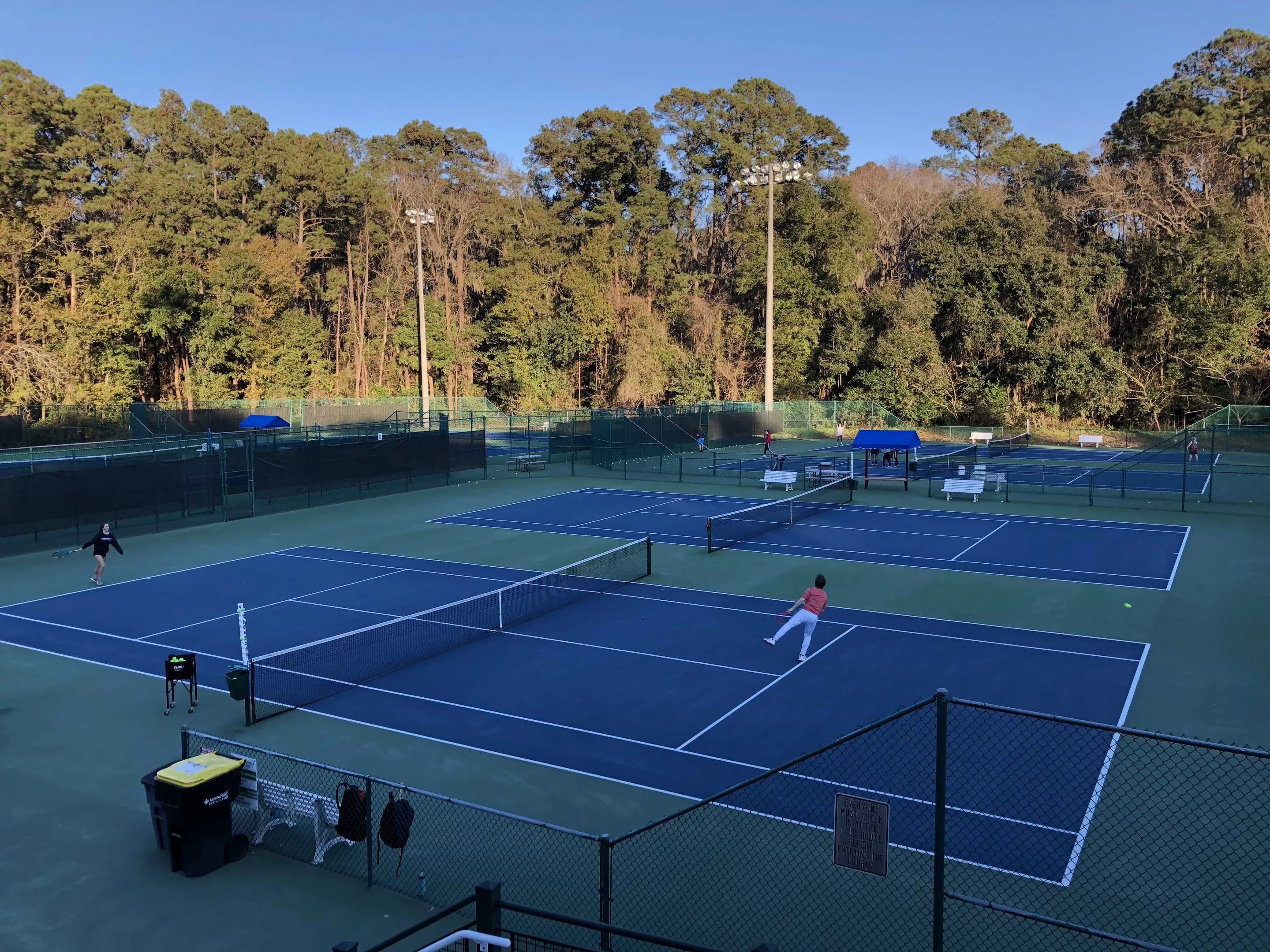
The Bacon Park Tennis Complex is a modern facility popular among players of all skill levels.
TENNIS ANYTIME

Thanks to Savannah’s relatively balmy climate, public open-air tennis courts are available year-round in the Hostess City, providing well-maintained facilities for players of all skill levels. The city government also operates several leagues ranging from seniors-only to mixed doubles.

Daffin Park Tennis Courts

This central Savannah park features six supervised clay courts and three hard courts that are lit up at night, and all of them are easily accessible from Victory Drive. This is a regular playground for participants of the Savannah Area Tennis Association leagues, but anyone with rackets and balls can make reservations for a court and simply enjoy the love of the game. Location: 1301 E. Victory Dr., Savannah. More info: savannahga.gov/813/Tennis-Program

Bacon Park Tennis Complex

This modern facility is large, with 16 lighted hard courts available for play and an elevated clubhouse providing sweeping views over the entire complex. Varied leagues are hosted here as well for adults, juniors, and seniors, but anyone who makes reservations is welcome, and instruction opportunities are also available here. Location: 6262 Skidaway Rd., Savannah. More info: savannahsportscouncil.com/facilities/bacon-park-tennis

Forsyth Park Tennis Courts

At the southern end of the biggest park in Savannah’s historic district, four unsupervised public tennis courts welcome more casual players to get into the swing of things. While these free courts are often in high demand − even during wintertime − the other attractions around and within Forsyth Park ease any time spent waiting for an open court. Location: Near the intersection of E. Park Ave. and Drayton St., Savannah. More info: savannahsportscouncil.com/facilities/forsyth-park

click to enlarge 18 options for wintertime outdoor fitness activities around Savannah
Nick Robertson/Connect Savannah
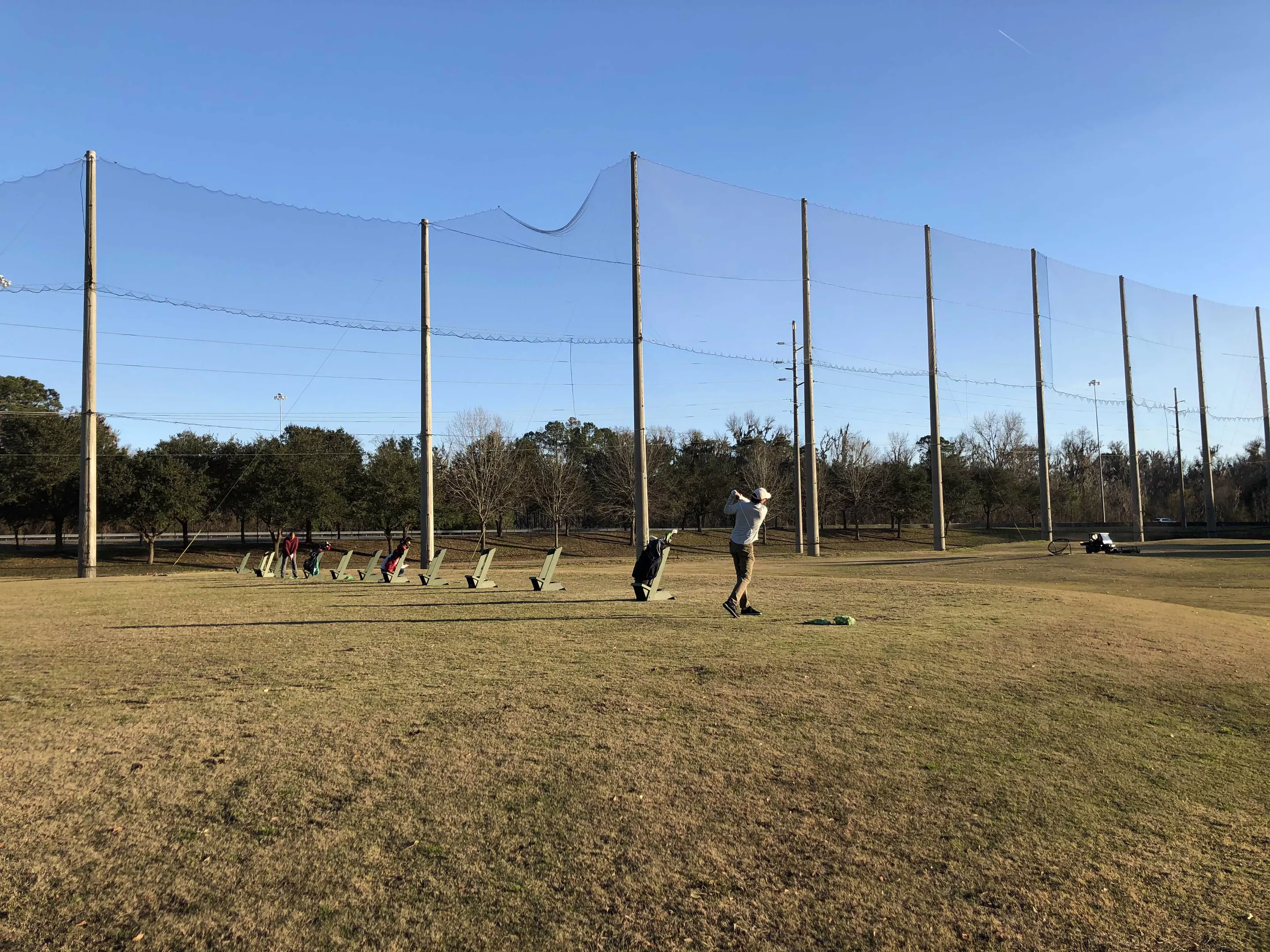
The driving range at Bacon Park Golf Course.
FAIR-WEATHER FAIRWAYS

Golf is a popular pastime around Savannah all year long, and this area features several public courses that are often less crowded during wintertime, making this a perfect season for sharpening your swinging skills with a leisurely nine holes, or even just by hitting a few balls on the driving range.

Henderson Golf Club

Owned and operated by Chatham County’s municipal government, this course has been upgraded in recent years and is now one of the most appealing public courses in the region. While the grass may be dormant in winter, golf here is lovely all year long, and accessible for players of varying skill levels, with PGA professional instruction available onsite. Location: 1 Al Henderson Dr., Savannah. More info: hendersongolfclub.com

Bacon Park Golf Course

Designed in 1926 by Donald Ross, this popular Savannah golf spot features a varied array of holes named for their characteristics, with notable links on the first nine including Lowland, The Stretch, Long View, and Dead Aim. With a pro shop, nice driving range, and putting and chipping greens, this is an easygoing location for all of your golf needs anytime. Location: 1 Shorty Cooper Dr., Savannah. More info: baconparkgolf.com

Hunter Golf Course

You don’t need to enlist to play on the Hunter Army Airfield links. Hunter’s course is accessible through the Montgomery Street Gate just off of DeRenne Avenue. Open for military and civilians alike, the greens on the base are beautiful. This course is also home to the Georgia Adaptive Golf Program, an organization devoted to bringing the game of golf to differently abled athletes. Location: 1548 S. Perimeter Rd., Hunter Army Airfield. More info: stewarthunter.armymwr.com/programs/hunter-golf-course

Crosswinds Golf Course

Rated by Golf Advisor as one of the country’s best courses to play for under $50, this club offers additional discounts for seniors, Gulfstream employees, military members, and first responders. This can be a great place for those new to the game to give it a go during the less-crowded winter season, with Callaway club rentals available. Location: 232 James B. Blackburn Dr., Savannah. More info: crosswindsgolfclub.com

Disc golf

As an alternative to traditional golf, disc golf is growing in popularity locally, with free public courses available at Tom Triplett Park (100 Tom Triplett Rd., Pooler) and Jaycee Park (30 Van Horne Ave., Tybee Island).

click to enlarge 18 options for wintertime outdoor fitness activities around Savannah
Courtesy of Sail Savannah
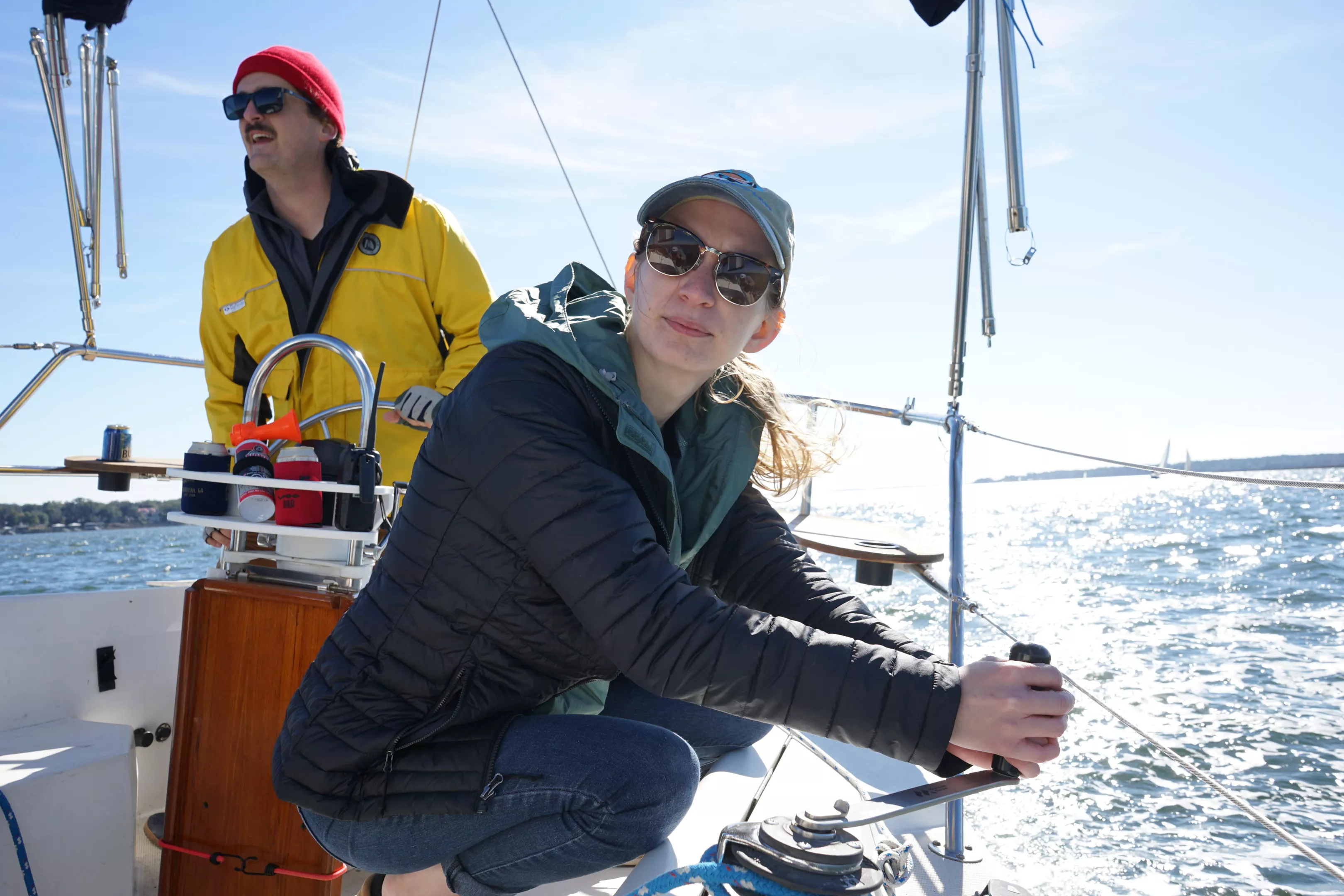
Experience the invigorating activity of open-water sailing with Sail Savannah's active instruction.
WINTER WATER SPORTS

Even though we may sometimes feel like it’s freezing in Savannah during winter, it is much more temperate here than most of the country, making water sports an option all year long. While at first it may be a little daunting to get out in the waves or area waterways, these organizations aren’t afraid to help you get wet and have fun doing it:

Savannah Canoe and Kayak

Explore the region’s tidal creeks, marshes, and interior waterways with the seasoned guides at Savannah Canoe and Kayak, providing all needed gear for paddlers of every skill level to enjoy active excursions. Meanwhile, extreme athletes with a wetsuit can try out more immersive wintertime water sports like paddleboarding or kayak fishing. Location: 414 Bonaventure Rd., Savannah. More info: savannahcanoeandkayak.com

Tybee Island Surf

It may not be an endless summer on Tybee Island, but it’s much balmier than most coasts during wintertime, and with less visitors on the shore this can be a perfect time to paddle out into the Atlantic to catch some waves. The hardy instructors at Tybee Island Surf provide lessons and surfboards to use, but participants must bring their own wetsuit. More info: tybeeislandsurf.com

Sail Savannah

While the folks at Sail Savannah specialize in leisurely cruises, they also provide active instruction excursions all year long. Participants can raise sails, crank winches, and take the helm to discover just how exhilarating and invigorating it can be to ride the wind in Savannah’s local waters that served at the Olympic sailing venue in 1996. More info: sailsav.com

Tags: , ,

  • or

By Film...

By Theater...